

While the adage “you get what you pay for” usually rings true, sometimes what you get for free is pretty good! The digital marketing industry has great free blogging tools for beginners and professionals alike.
There is no shortage of tools for any task, including writing, SEO, marketing, topic research, Analytics, monitoring, and artificial intelligence.
Some of the tools listed here have premium versions. The free version is enough for beginners or marketers on a tight budget to get started.
NOTE:
Dave Schneider originally wrote this post as a guest. However, CyberNaira modified and rewrote the content to fit today’s blogging demand and environment. The original publication is available on the Wayback Machine.
Blogging is hard enough without adding more expensive tools to the mix. You can start with the free edition, and when you’re sure you need a pro feature, you can purchase a paid account.
What are some of the top free tools I recommend for bloggers?
Free blogging tools
Here are the nineteen best free blogging tools of 2026. You should be using these tools in your blogging.
1. Google Analytics
If you run an online business, you need Google Analytics – period. There is no two ways to do this.
Google Analytics lets you know what’s happening on your site. How users interact with your content, where they come from, device type, location, gender, traffic source, landing pages, and time on site.
It goes deeper into the technical aspects of your content.
For instance, you can see the average page speed of each page on your site, the operating system visitors use to browse your site, and much more.
For anyone looking to run a successful online business, Google Analytics is one of the MUST-have free blogging tools.
Whether you’re a large-scale enterprise, medium-sized, or small business owner, you need Google Analytics.
2. Colorcinch
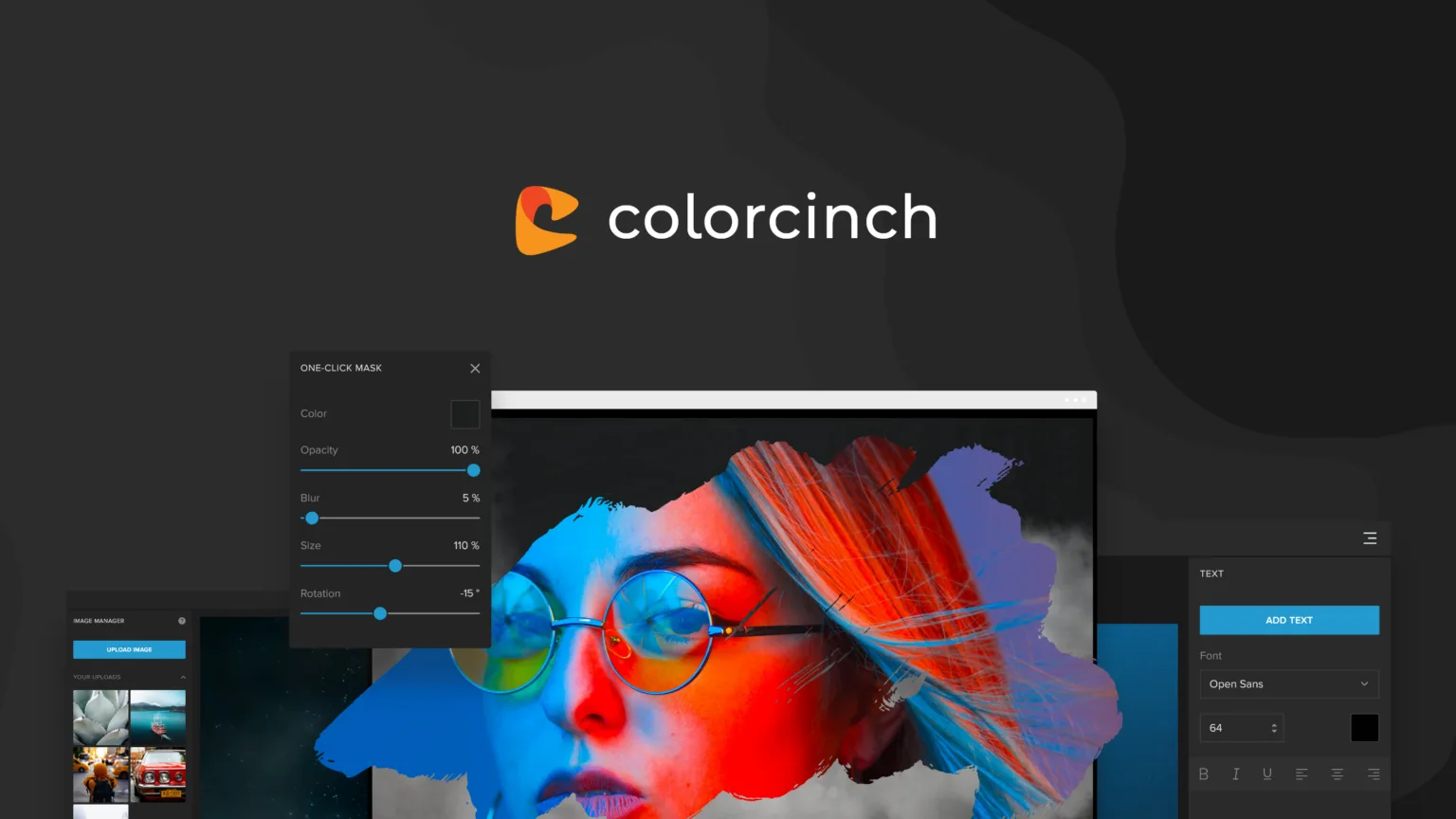
Colorcinch is an intuitive go-to design tool for content creators and marketers. Its AI-powered photo effects and filters produce excellent results -digital art, cartoons, sketches, paintings, and more.
If you need to crop, resize, reduce file size, change the background, or convert your photos to different formats, Colorcinch has the tools.
Colorcinch comes with hand-picked creative assets that you can play around with.
You can add text and watermarks, make collages, fine-tune photo details, and make their colors pop. You can even draw on your pictures and create a unique finish.
So, if you need images for your blog, profile pictures, social media banners, and cover art, Colorcinch has got you covered.
It’s free; you can always upgrade to the premium plan to access all its unique features.
3. Grammarly
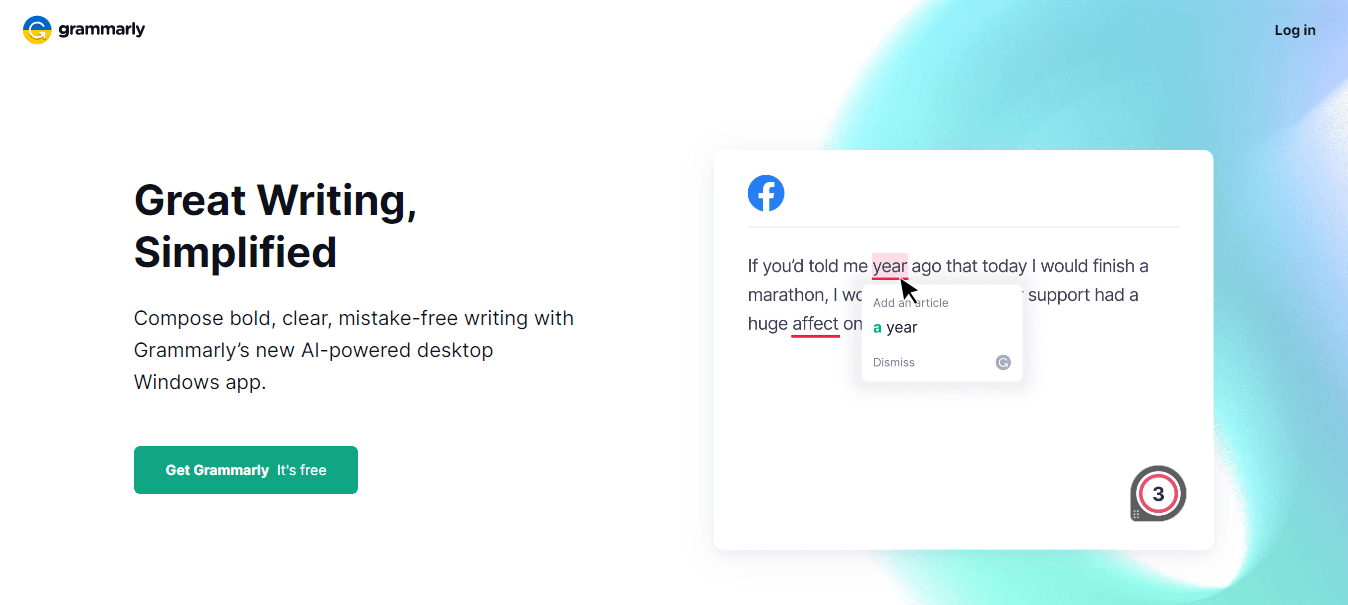
Grammarly is a powerful AI writing assistant that uses artificial intelligence to detect typos, incorrect word usage, spelling, punctuation, clarity, tone, and engagement in your content.
It is a powerful writing tool that lets you write error-free, making your content look better and easier to read for all grade levels.
Grammarly is available as a Google Chrome extension, Microsoft Edge add-on, Firefox add-on, Android App, Word Docs, Google Docs, and more.
If you write for the web, Grammarly is one of the tools you need, especially if English is never your first language – like me.
4. Google Search Console
Another free tool for webmasters from Google.
Google Search Console is an indispensable SEO and keyword analysis tool for business owners.
This tool gives you an overview of your site’s SEO status and lets you check for any detected SEO issues.
You can also see how many of your website’s backlinks Google has indexed.
There are more features in the search console that are very helpful to SEOs:
Like Google Analytics, Google Search Console is a must-have free tool for online marketers.
4. Canva
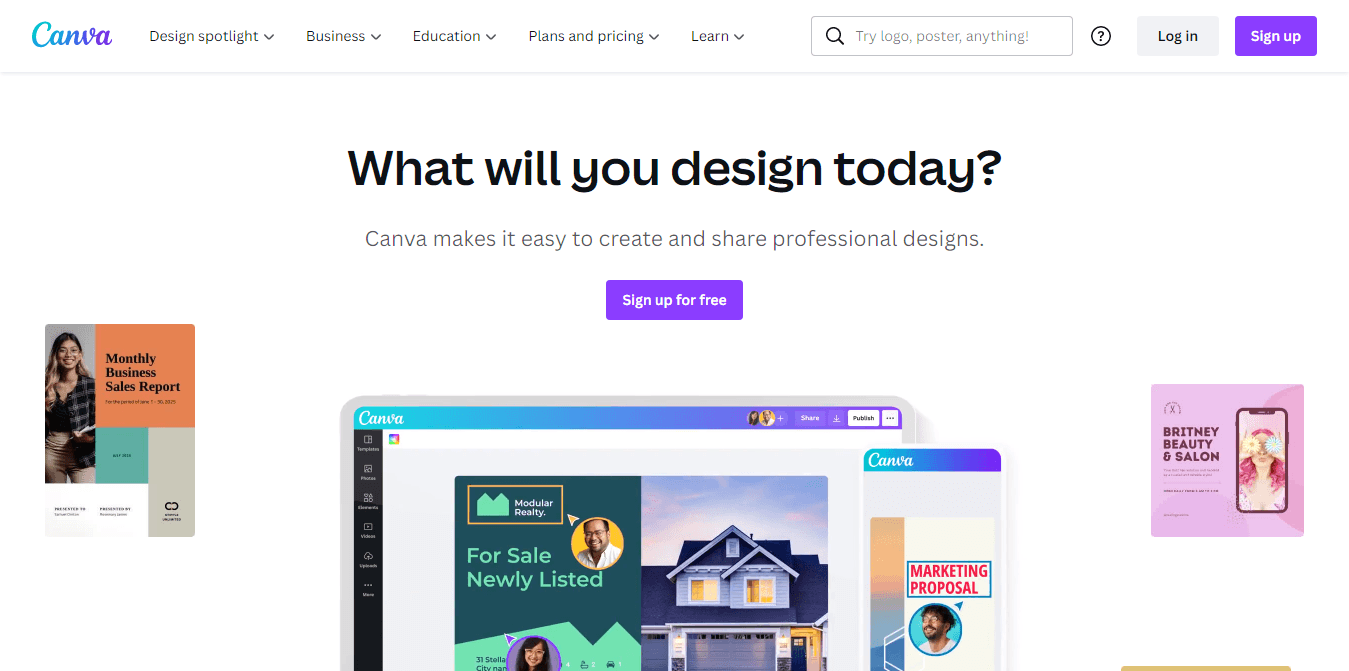
One of the best media content creation and editing tools on the web today.
Canva makes image creation easy for beginners and professional image designers.
The drag-and-drop features, pre-made custom templates, millions of elements, and over 60 million premium images for your design projects.
Canva is undoubtedly your one-stop solution for all your image editing and creation needs.
Whether your design needs are infographics, images, video editing, memes, GIFs, ebook covers, invoices, social media posters, blog posts, flyers, receipts, desktop wallpaper, or photo collages. You can use Canva to bring your message to life.
The good thing? You get a forever-free account, and you can upgrade anytime or buy a one-time premium image.
6. Tailwind App
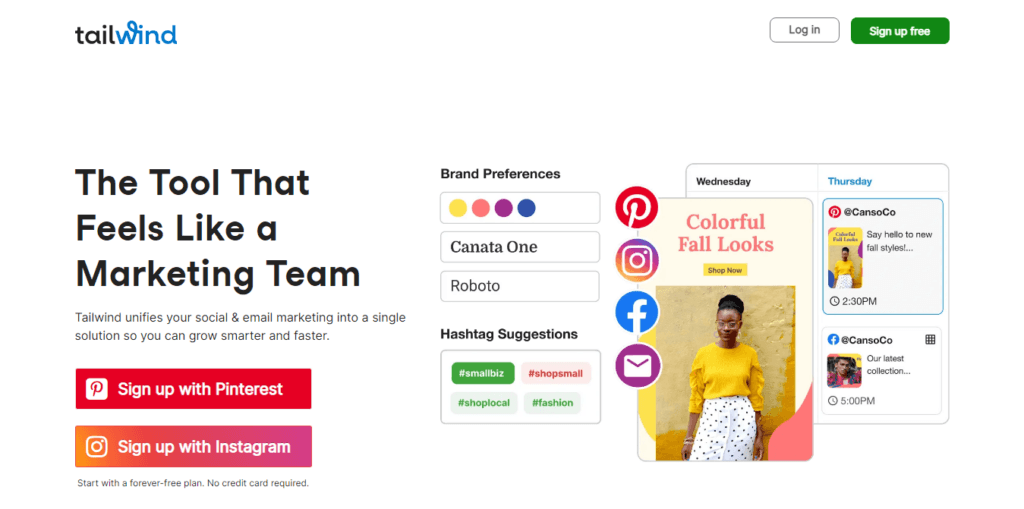
Tailwind is a social media marketing, email marketing, and automation tool. One of the best of its kind.
If you want to save time managing all your social media activities, let Tailwind handle your social media marketing so you can focus on other aspects of your business.
The tool lets you auto-post on Instagram, Pinterest, and Facebook.
You can also schedule posts to go out at a specific time of day that best suits your marketing strategy.
The hashtag is a helpful feature that lets you discover exciting content quickly.
It also provides a detailed analysis of your marketing activities to help you understand how your efforts pay off.
Tailwind now includes email marketing – you can design a beautiful email campaign in the app that increases the open, click, and engagement rate.
7. SEO Powersuite
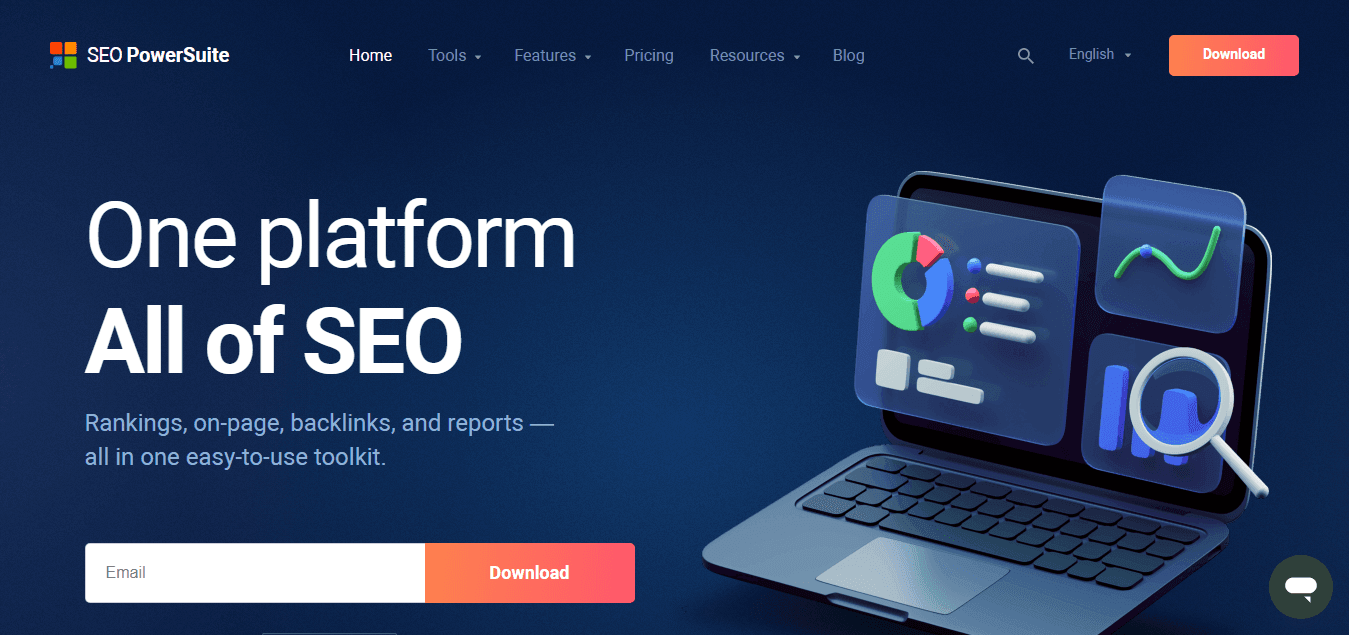
If you’re one of my regular readers, you know how vital SEO Powersuite has been to this blog’s growth.
SEO Powersuite is one of the best SEO tools I have ever used for competitor analysis, link building, keyword research, optimization, and website audit.
It is a desktop-based SEO tool comprising four independent toolkits.
Each toolkit performs a specific SEO task.
For example, use Rank Tracker for keyword research, competitive analysis, and position tracking. SEO Spyglass is designed for backlink analysis, audits, and helping you discover relevant link profiles to build your backlink strategy.
Link-Assistant is your one-stop application for everything outreach – from finding prospects to writing email templates, sending emails, and follow-up. Link-Assistant has everything you need.
Lastly, Website Auditor is the SEO PowerSuite technical audit tool. Use it to identify bottlenecks that are negatively impacting your site’s ranking potential. Also, Website Auditor includes a content optimization module that lets you write and optimize content with clarity and data-driven insights.
The software is regularly updated to align with changes in search engine algorithms and best practices.
This helps keep you safe from penalties from search engines like Google.
8. SEMrush
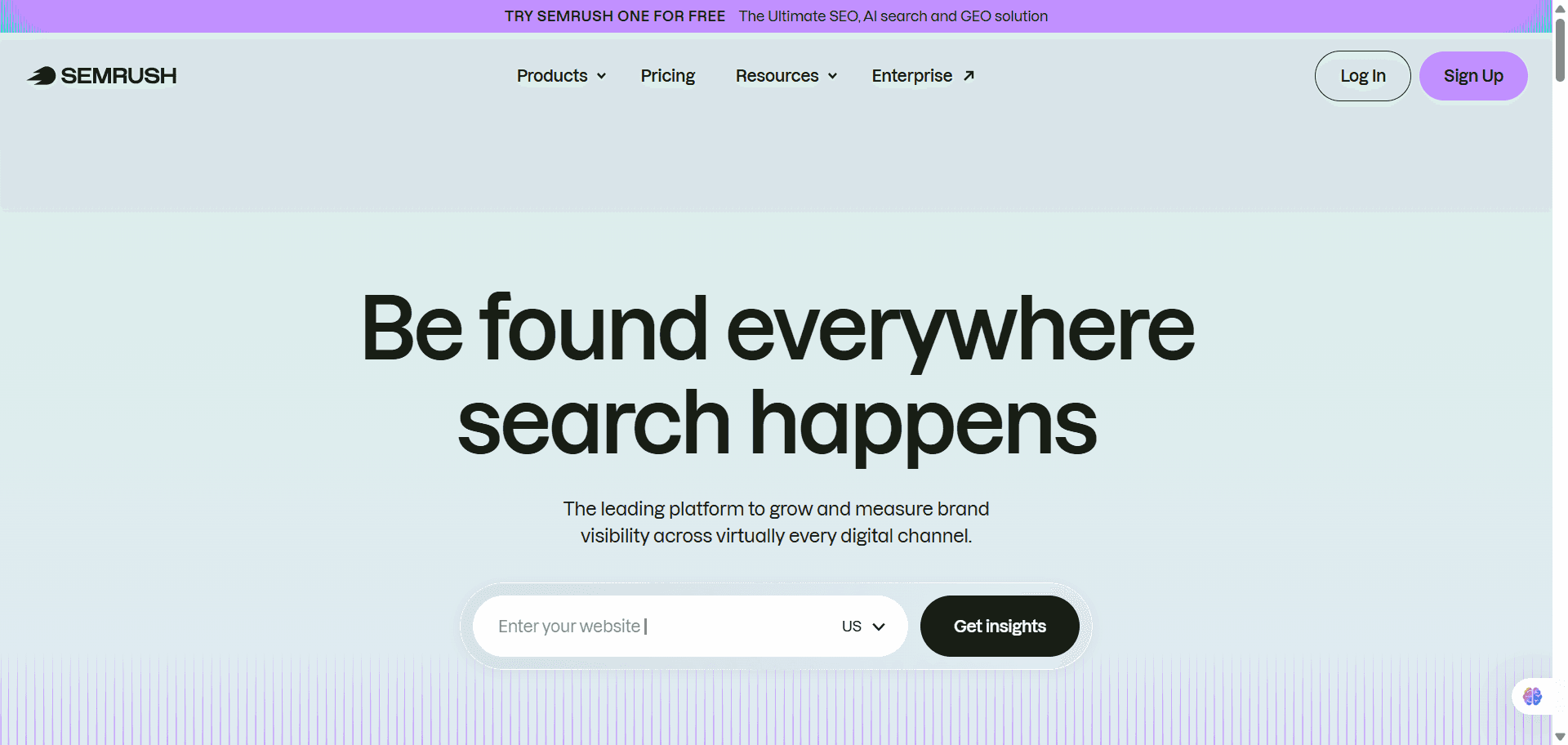
SEMrush is an all-in-one SEO tool used by over 10 million marketers; it includes tools that let you start and complete SEO, social media marketing, blogger outreach, keyword research, and content marketing tasks.
From complete domain analysis, site audits, competitor analysis, link analysis, and keyword research to social media and influencer marketing, SEMrush offers many tools you need to run a successful online marketing campaign.
You can sign up for a free account and use it for as long as you need. The Pro, Guru, or Business account gives you more access to explore the entire SEMrush toolkit.
9. WordPress

As of 2022, WordPress powers more than 43% of all websites on the Internet.
To start blogging, look no further than WordPress for a content management system.
It has been the best website builder for nearly two decades and the most accessible free blogging platform for beginners.
WordPress is the only website builder supported by most web hosting companies today.
It offers a user-friendly, one-click installation process that is SEO-optimized, secure, and regularly updated, with great support and extended features.
WordPress is free; you just need hosting and a domain name to get started.
10. Blogger
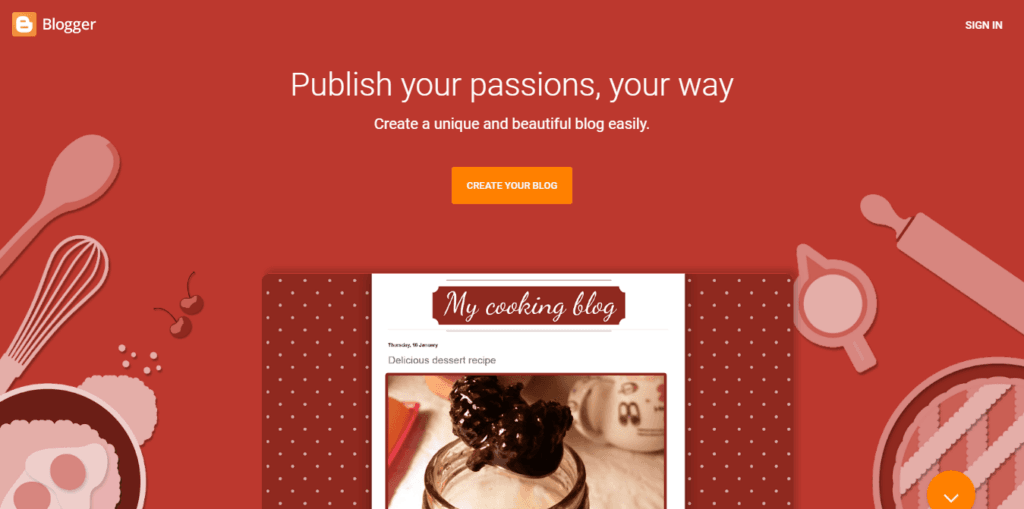
Blogger is another free blogging tool that has been around since 1999—initially developed by Pyra Labs before Google acquired it —and it provides an easy way to start a free blog.
Many beginners started with the free blogging platform Blogger before moving on to a more customizable and secure website builder like WordPress.
You can build a completely free blog on Blogger. And even host your blog for free.
Although Blogger offers fewer customization options, it is one of the most user-friendly blogging platforms.
Plus, Blogger is completely free.
11. Wix
If you’re looking for alternatives to WordPress and Blogger for free blogging, Wix is a good option.
It is a website builder that offers beginners and business owners an easier way to create an online presence.
With over 800 pre-made website design templates, getting started has never been this easy.
Its built-in drag-and-drop features make Wix beginner-friendly. It offers excellent features, including a mobile app, e-commerce tool, title animation, logo maker, and more.
12. CoSchedule Headline Analyzer
Your content headline determines whether readers engage or scroll past.
If your content headlines don’t get users to read the copy, generating leads, increasing conversions, and driving sales will be challenging.
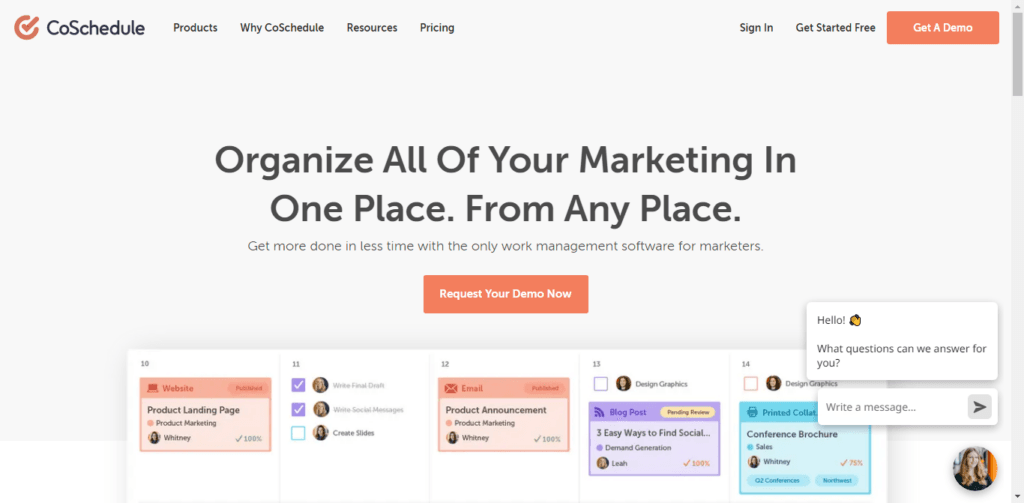
The CoSchedule Headline Analyzer is a powerful tool that lets you write, analyze, and score headlines for best headline practices.
It analyzes your headline for SEO opportunities, emotion, word count, length, readability, and click. You can see your headline score on a scale of 1-100, so you can pick the winner.
The headline analyzer is now available as a WordPress plugin and an online tool on the CoSchedule website. You can download the plugin from the button below.
13. Broken Link Checker
You can’t prevent broken links on a website, but you can help minimize their impact on the user experience.
The best way to ensure your website’s broken or dead links aren’t causing bounce traffic or a poor user experience is to fix them promptly.
The Broken Link Checker plugin runs continuously in the background to find and report all dead links on your website.
It reports the links as a warning, broken, redirected, or dismissed, so you know how to fix them.
14. Microsoft Clarity
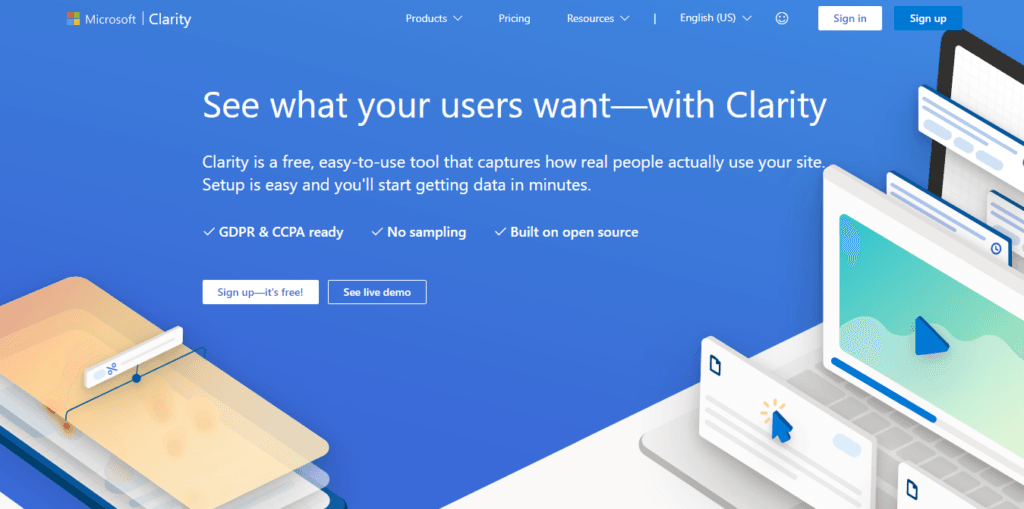
Microsoft Clarity is a free analytics tool that monitors user behavior through session recording and heat maps.
Unlike Google Analytics, which focuses more on website traffic patterns, Microsoft Clarity focuses on website user experience – how users interact with your website.
It shows which parts/elements of a page get clicks, have higher scroll depth, and have higher engagement.
This information helps improve the conversion rate of your landing pages.
It is available as a WordPress plugin and a script you can install on your website. The plugin download link is in the button below.
15. Awesome Screenshot And Screen Recorder – Google Chrome
If you write tutorials often, you’ll need step-by-step visual instructions to show your audience.
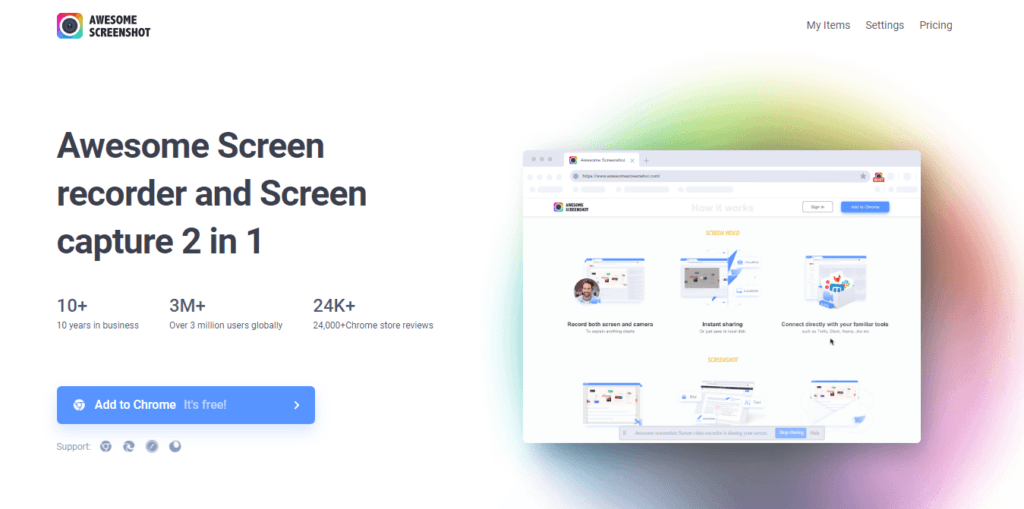
Awesome Screenshot is my go-to tool for driving the message home. It lets you take professional screenshots with annotations.
There are many annotation tools to help clarify your message. You can draw, blur, add shapes, crop, add text, erase, etc.
You can take screenshots of an entire web page, a selected area, or the visible part.
Also, it lets you take delay-timer screenshots and record screen videos for tutorials in MP4 format. It also provides backup storage access for your screenshots.
The Awesome Screenshot is available in Google Chrome 36 and later.
You can use Awesome Screenshots using Google Chrome, Microsoft Edge, or Firefox.
16. Microsoft Editor
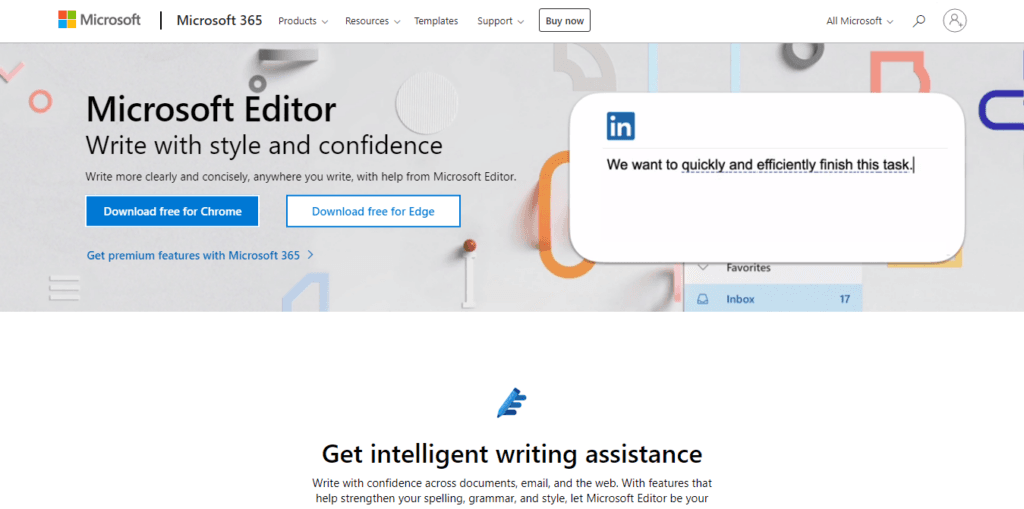
Like Grammarly, Microsoft Editor is a browser extension AI writing assistant that helps make your content read better.
It is available in more than 20 languages. The free Microsoft Editor account helps with spelling correction, capitalization, punctuation, and grammar checking.
For more writing features, subscribe to Microsoft 365 to get the editor’s premium features.
Microsoft Editor works equally well for web, email, Word, and social media.
17. Hubbub (Formerly Grow Social by Mediavine)
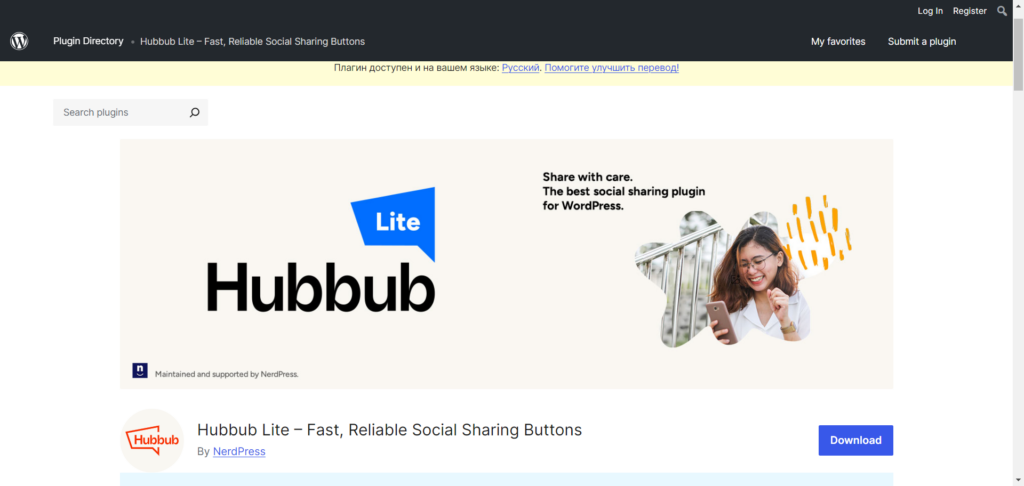
A very lightweight WordPress social media sharing plugin.
Many WordPress social sharing plugins exist, but I’ve found Hubbub (Grow by Mediavine) to be more effective and with minimal impact on your server load.
It doesn’t slow down your server performance like some plugins, such as AddThis and Sumo.
The free version lets you add a floating sidebar and an inline sharing button.
You get more features in the Pro account, like custom Pinterest images, sticky social sharing mobile buttons, unlimited click-to-tweet boxes in content, etc.
Conclusion…
You should also consider many paid tools. That said, I always like to check for a free option before spending a lot of money.
What free blogging tools for beginners do you recommend?
About The Author.
Dave Schneider is the marketing manager at Albacross, the free B2B lead generation platform. In 2012, he quit his job to travel the world and has visited over 65 countries. In his spare time, he writes about SaaS and business at DaveSchneider.me and runs the churn reduction app, LessChurn.



This A Great Post, It Will Help Me So Much In My Blog Thanks Sir
You’re welcome, Stephen.
it is a great post.
recently i m create a blog post page
and this information is most useful information for my blog page to through into the next level of the blog world.
thank you for posting.
You’re welcome.
Hey Shamsudeen,
Quicksprout and Buzzsumo are some of the great tools which I have also used. Google Analytics has been here forever. I do not use WP Super Cache as I have found better alternative to it. I will be giving rest of the tools a try for sure.
Thanks for sharing this.
Regards
Vineet Saxena
Hi Vineet,
Thanks for stopping by. However, I will be glad if you’d share the better alternative you found beside WP Super Cache with us. what do you think?
Hi Shamsudeen
These are great tools, for sure… and free 🙂
I love Co-Schedule’s Headline Analyzer… use it all the time.
Also, Moz Bar to quickly get DA, PA and other info on sites your visit.
Another tool I use often is wordcounter dot net. It not only gives you a quick word count, but also strips all the coding from anything you copy/paste there. It’s great to do before putting text into your WordPress editor, or even things like Evernote that otherwise carry all the coding and makes a mess of your text.
Thanks for all this! I’ll pass it on to my students and blogging clients.
-Donna
Hey Donna,
I haven’t tried out wordcount before, though I have read about it online. Thanks for mentioning, will surely check it out tonight.
And thanks for the share.
Hey Shamsudeen!
These are great tools, I use quite a number of them regularly.
Going to have to try out that headline analyzer, I’ve seen it mentioned a few times now but will actually go and try it out after leaving this comment.
Headline writing is something I’m not the best at, so anything that can give some pointers will definitely help me out.
Thank you!
– James McAllister
Hi James,
The headline analyzer from Coschedule is one very useful tool I’ve been using for some time now, though not every time I publish something.
Try it, I hope you’ll find it useful and thanks for stopping by here.
This is really helpful and informative. Great blog by the way and thanks for sharing these free blogging tools!
Hi Richard,
Glad you find the blogging tools useful, do have a nice day.
Hi Shamsudeen,
great article man!
I admit I didn’t know about half of these free tools, And I’m especially happy with the Buzzsumo find.
I thought that is it exclusively a premium tool.
But now I know they have a free version which is great news for me.
I’m off to sign up for a free account.
Thanks Shamsudeen.:)
Good post on blogging tools and you describe every feature the tools have. It will help the bloggers who just started writing.
Thank you, Mihir,
Glad to read you find the post helpful.