

Do you want to start a Shopify store but don’t know how to sell on Shopify? This guide is for you…
From why you need to consider Shopify and how to choose what to sell on Shopify to creating your account, you’ll get the answer to many of your burden questions in this post.
This guide is specifically written to answer most beginners’ questions about becoming a seller on Shopify.
So read carefully if you want to be successful with your Shopify store.
This could be the only guide you’ll need to learn how to sell on Shopify to make money.
But first, let’s see why Shopify is the ideal e-commerce solution for beginners, small business owners, and large-scale enterprises.
Why Sell on Shopify?
Shopify isn’t the only ecommerce store builder today; there are many other Shopify competitors to try. So why is Shopify the go-to platform for many business owners?
If you want to focus more on selling and growing your business without getting involved in website management, Shopify is an excellent choice.
It is an all-in-one solution that tends to bring every tool and infrastructure required to start an eCommerce business under one roof.
You don’t need to host your eCommerce store or worry about payment gateway integration on your website, shipping, tax, managing inventory, etc.
Shopify handles all these tasks and more, so you can focus on selling and marketing.
Shopify’s eCommerce platform is a complete, done-for-you solution. The only things you need to worry about are your products, marketing, and business growth.
Whether you’re a small business, solo entrepreneur, or enterprise-grade eCommerce owner, Shopify has the platform to manage your business.
Which Product to Sell on Shopify
The first step in establishing a successful eCommerce business is choosing the right products and niche.
You need to know the trending and profitable products in your niche.
It is not enough to start a Shopify store; you must know what products people buy. This will help you earn a better ROI with minimal investment.
With so many products out there, it’s easy to get confused, but don’t worry; I have done the research.
Here is a list of profitable products to sell on Shopify.
Health and Beauty Products
The health and beauty niche is a multi-billion-dollar industry, with the global market expected to reach $558.12 billion by 2026.
People will always want to be healthy and beautiful, and selling products that meet this demand will always be profitable.
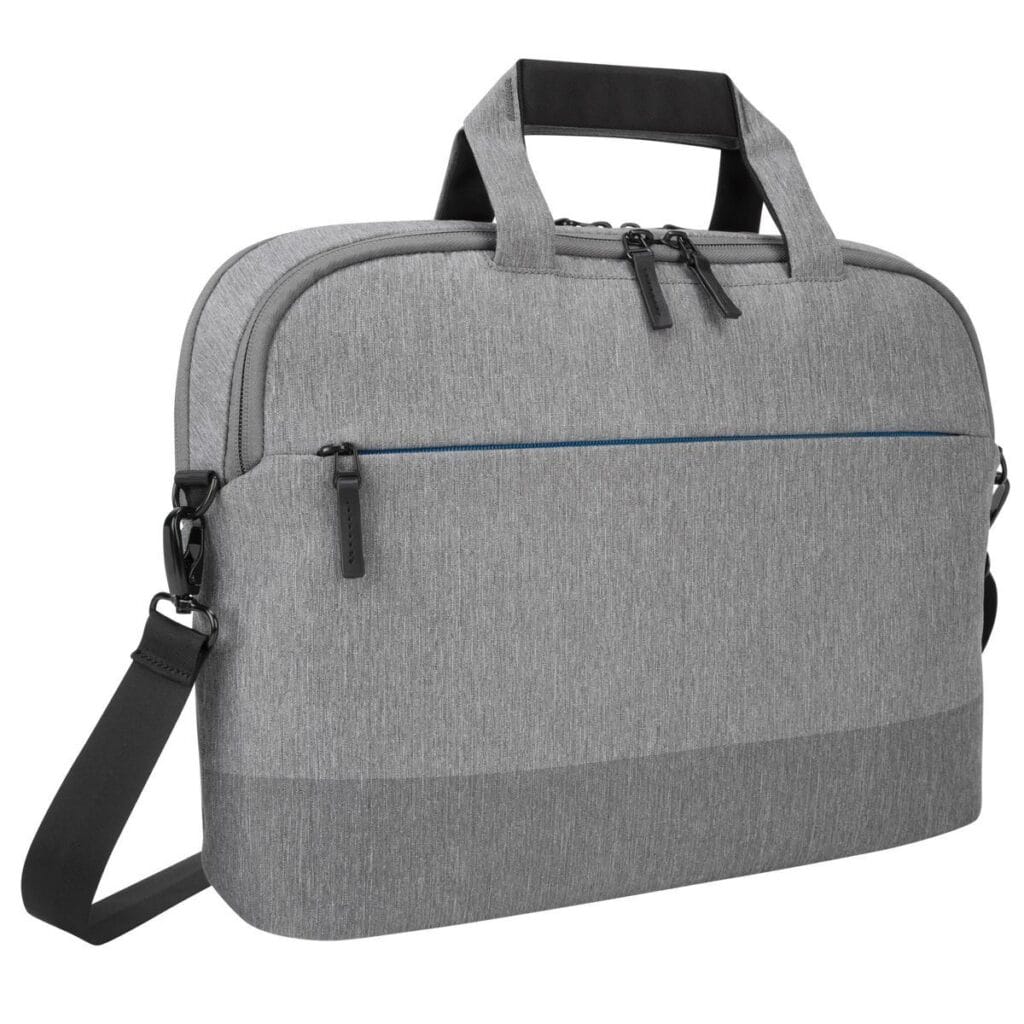
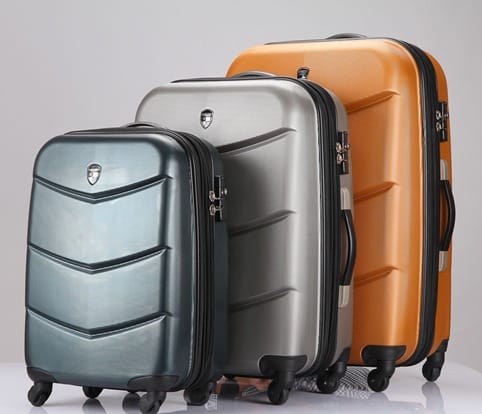
Travel Accessories
The travel industry hit a setback in 2020, no thanks to Covid-19. But as life returns to normal, the sector has seen a steady rise in patronage.
Travel accessories and guidance have always been in high demand and profitable.
Domestic travel accessories or international products and services in this industry have always been in demand.
Now it’s an excellent time to position yourself to take on the opportunity.
Here are some examples of travel accessories you can sell on Shopify.

Sport and Fitness
If you have an audience who is passionate about sports and fitness, this is a profitable niche for selling on Shopify.
Sport and fitness are global, and the demand for sports and home gym equipment will continue to increase.
There are lots of fitness and sports products you can sell;
- Headgear
- Running Shoes
- Yoga Mats
- Stopwatches
- Football Boots
- Racquet
- Customized Club Jersey
You can look into many sports: basketball, soccer, boxing, running, swimming, golf, etc.
As we approach the World Cup, now could be a good time to invest in the sports niche.
Home and Office Equipment
One of the aftermath effects of COVID-19 is the demand for remote workers. More companies are now forced to let some staff operate from home.
This shift has led to an increase in demand for home and office work equipment. There are lots of products to sell in this industry.
- Standup adjustable desk
- Laptop stand
- Ergonomic chair
- Lap desk
- Surge power strip with USB
Computer Accessories
According to the website, computer accessories are one of the best-selling categories on Shopify, especially laptop batteries.
But you will have to narrow down your target audience.
For example, students may be looking for cheap and usable batteries, while a working professional might look for long-lasting, high-quality laptop batteries.
You can also combine the sales of batteries with other computer accessories, such as hard drives, USBs, keyboards, Wi-Fi adapters, Bluetooth speakers, wireless keyboards, memory, etc.
Other products you can sell on Shopify include:
- Motor Parts
- Smartphones Accessories
- Pet and Animal Products
- Digital Products
- Home and Garden
- And more
Read the products report article on the Shopify blog for more ideas on what to sell on Shopify to make money.
How to Sell on Shopify Step-by-Step
Now that you know why you should start a Shopify store and what product to sell, it’s time to learn how to sell on Shopify.
Here are the step-by-step instructions on how to sell products on Shopify quickly.
This section contains all the details from account signup to launching your first products.
Sign up for a Shopify Trial Account
The first step is to sign up for the Shopify 3-day free trial. After that, you can extend it for an additional 3 months for just $1 per month.
You get a 3-day free trial, and when you upgrade to the Shopify Basic plan, you pay just $1 monthly for the three months.
You can use this period to learn about your new e-commerce platform and the tools and marketing features.
The Shopify free trial period does not require a credit card, and you can cancel anytime within the 3-days. Click this link to sign up.
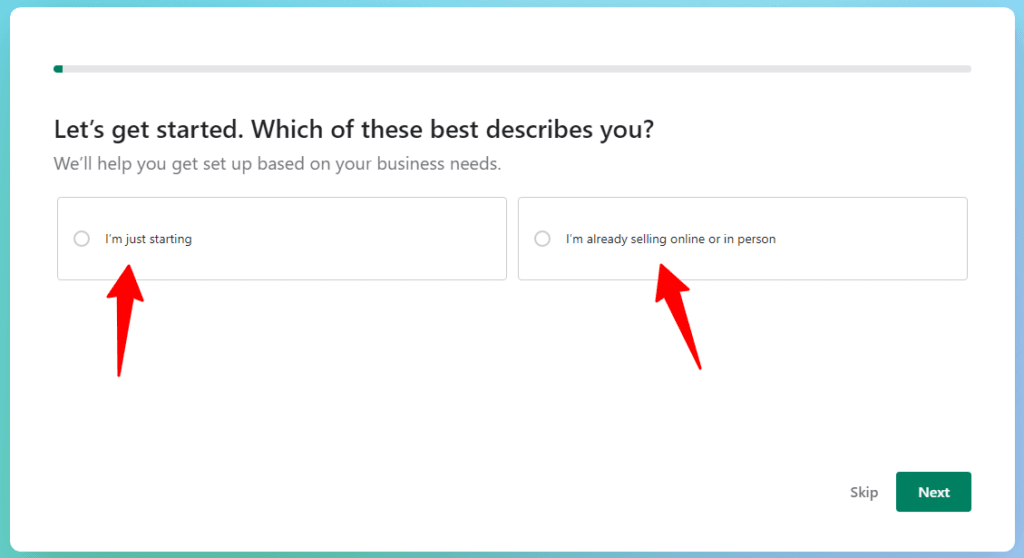
The setup wizard will ask questions to help you set up an online store tailored to your needs.
Choose the option that best describes you. And click next.
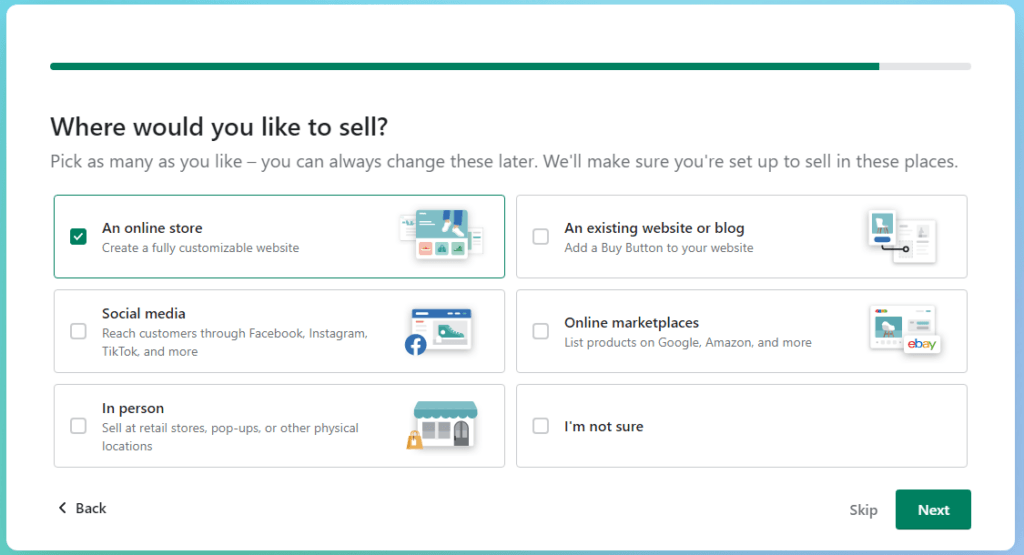
On the next page, select all the sales channels you’d like to sell your products online.
You can choose all that apply to you. You can skip this step to go back to it later.
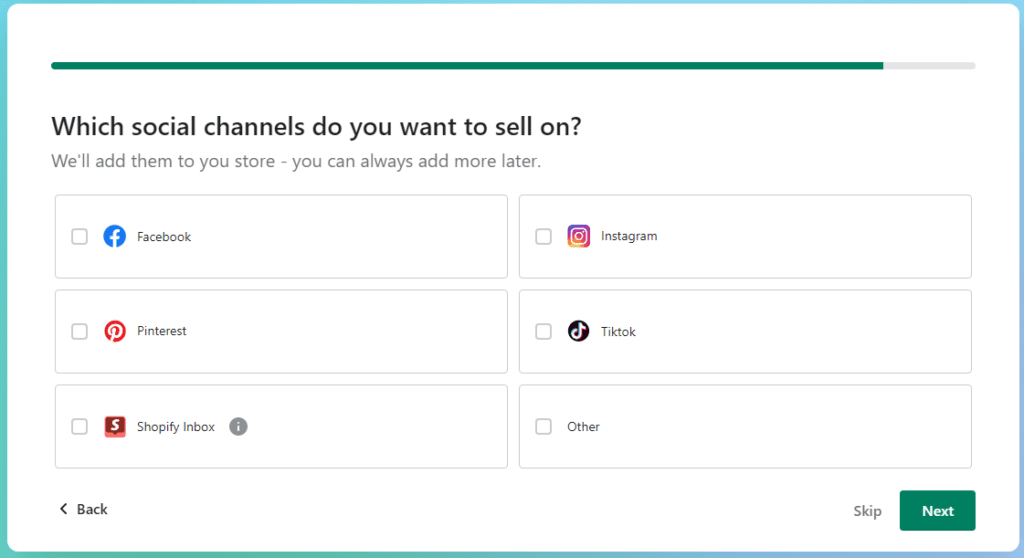
If you’d like to sell on Instagram through Shopify and other social media channels, tick all that apply to you on the next page.
There is an option to sell on Facebook, Instagram, Pinterest, TikTok, Shopify Inbox, and others.
The Shopify inbox lets you manage your social media chat through its inbox and turn conversations into sales.
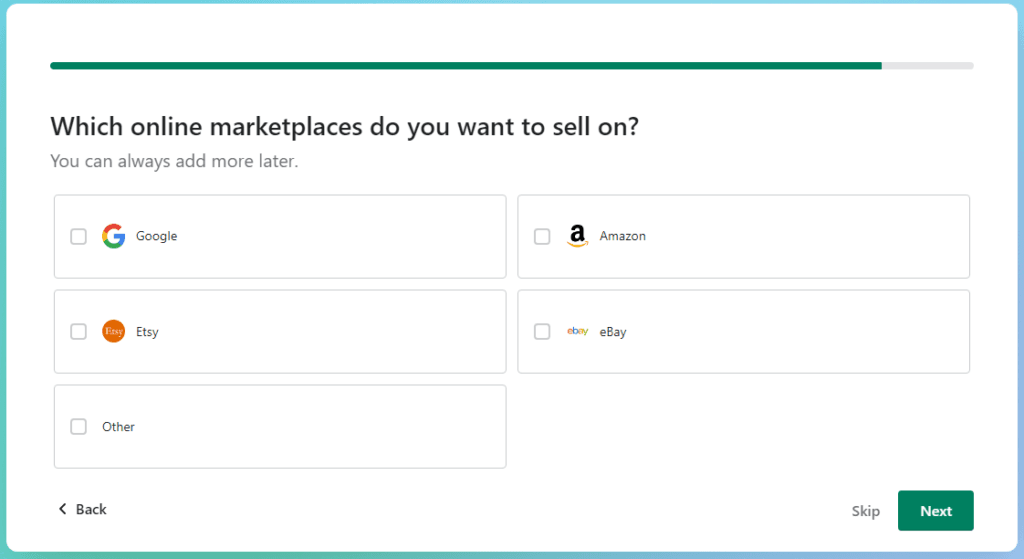
Next, you will be asked which online marketplace you want to sell. Thick all the boxes you wish to extend your Shopify store – Google Shopping, Amazon, eBay, Etsy, etc.
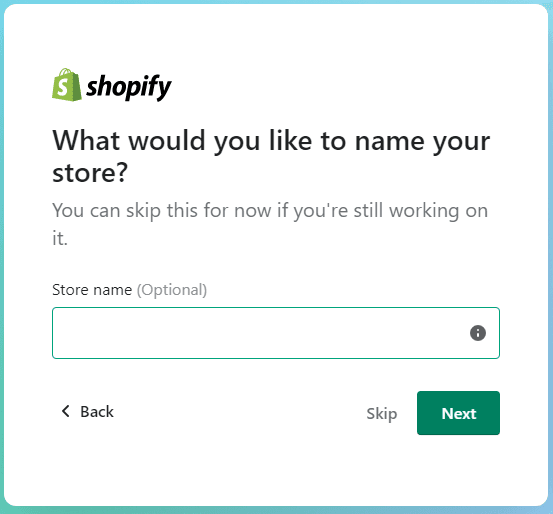
Next, give your store a name if you already have one. You can skip this step, but the earlier you complete it, the better.
The name you enter at this stage is temporary; you can change it to a custom domain name or something else.
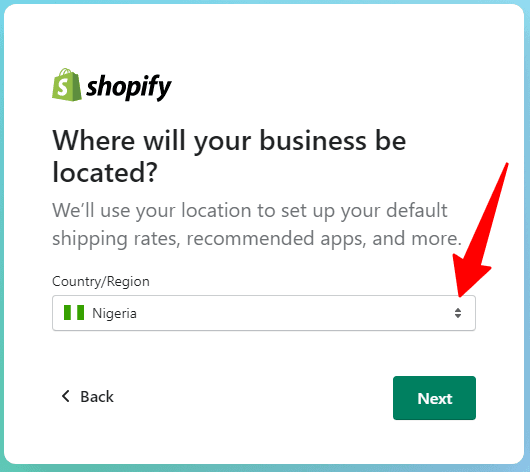
On the next page, choose your store location. This is an essential step for your store to work.
And be in line with Shopify’s terms and conditions. If you choose the incorrect store location, you will receive a warning about the consequences.
After completing the signing up process, confirm your email address to activate your account. And log into your store.
Add Your Domain
Now that your Shopify store account is set up, it’s time to customize your store profile to fit your brand message.
You need to pay attention to a few settings within your Shopify store dashboard. We will go through each one.
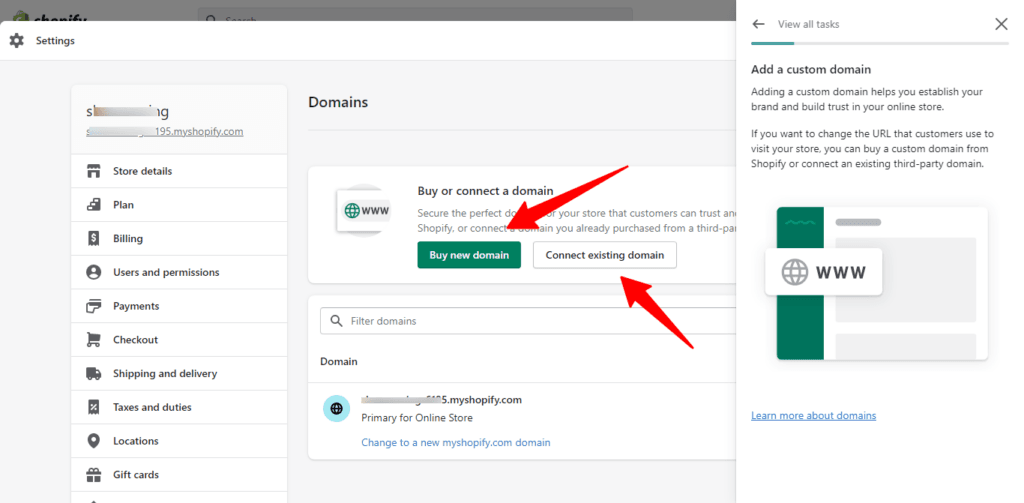
First, add a custom domain name so your store looks more professional.
By default, Shopify assigns your store a temporary domain name during the initial setup. It reads like this: “shoerunning-6195.myshopify.com/“.
You would want to change this domain name to something more readable, easy to spell, and type for the user.
If you have an existing domain name, you can connect it to your Shopify store; otherwise, you must purchase a new one from a domain name registrar like Namecheap.
Also, you can buy a domain name directly from your Shopify dashboard and connect it to your store.
Here are some tips for choosing a good domain name:
- Easy to Spell – Punctuation, a hyphen, and special characters are not advisable in a domain name. It makes it difficult to type into the browser bar.
- Memorable—A good domain name is unique. Don’t choose a name that will be hard for people to remember. Your domain name should be two to three words and less than 10 characters at maximum.
- Relevant—Though this may not apply to every niche, having a name relevant to your niche can make a big difference. For example, if you’re selling beauty products, your domain name can be Janebeauty.com or lookingood.com.
Setup Your Brand
There are several things you need to set up here:
- Your brand logo
- Store Description
- Brand color
- Cover image
- Slogan or tagline
- Social media profile links
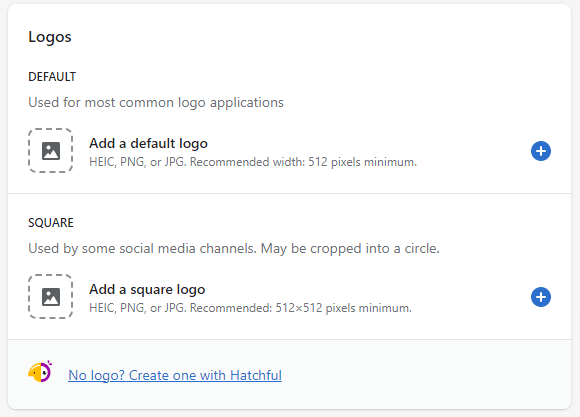
If you want your customers to perceive you as a trustworthy business, consider some of the settings here.
How your store is perceived goes a long way in the trust and value people put into your business.
Your store description should help people understand what your business is about.
Linking to your social media profile from your store can improve conversion, followers, and sales. People can connect with your brand on their favorite social media platforms to engage more.
Setup Payment Method
You need to set up payment before launching your store products. This is how you get paid for products purchased on your website.
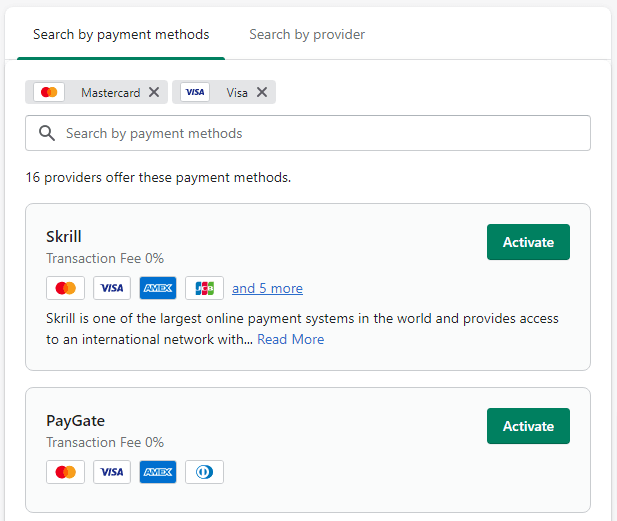
There are hundreds of payment gateways in Shopify.
However, you need to check your country’s availability. Some payment options might not be available in your store location.
Shopify has three different ways to add your payment methods:
- Payment Providers
- Supported payment
- Manual Payment
If you choose the manual payment option, you must manually approve the customer’s order before it can be fulfilled in your store.
Customers can pay for goods manually on delivery, in-person sales, walk-in stores, etc.
Customize Your Checkout
Checkout functionality is an essential page in online stores. You need to set the rules for how customers complete their checkout.
Shopify allows store owners to customize how their customers complete the checkout order.
For example, customers may need to register an account to complete the checkout process, or you may decide to allow customers to complete checkout as guests without registering an account.
You can also select the contact details required to complete the process, such as email or phone number. First name only or Last and first name?
Should the shipping address be included or not? And whether customers should subscribe to your marketing newsletter by giving their consent.
You must review this information to ensure your store is professionally set up and meets user expectations.
Pick a Shopify Store Theme
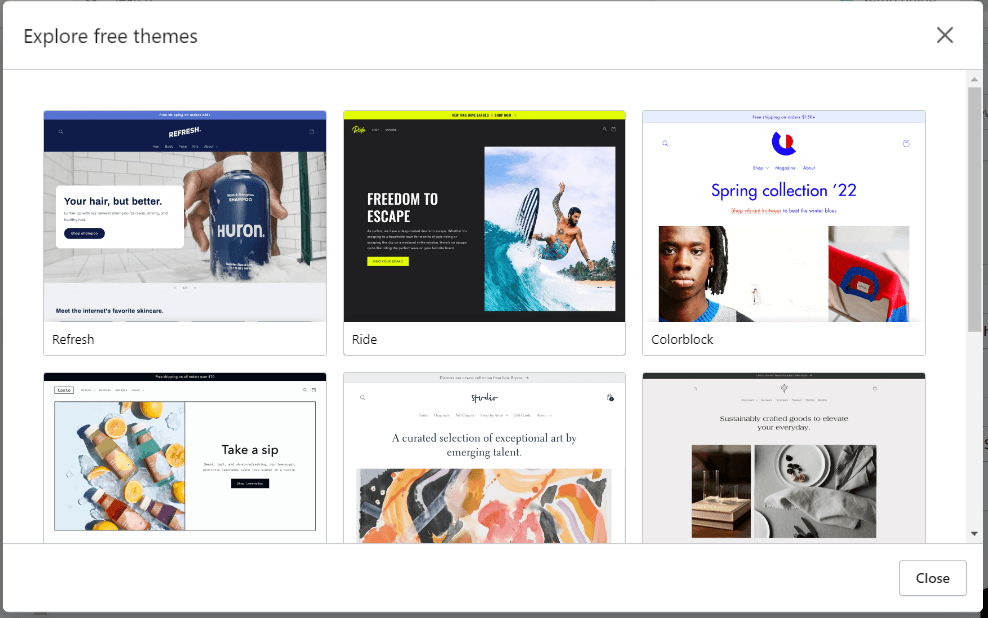
Your theme is essential to your Shopify Store; picking an attractive, high-quality, responsive theme is essential. It gives your store a professional and engaging look.
Shopify has free and paid themes. As a beginner, you will be tempted to choose a free Shopify theme; this move isn’t wrong.
However, a premium eCommerce theme will give you more control, features, and flexibility to make your Shopify store unique.
Shopify has an extensive collection of themes from which you can choose.
However, before picking the right theme, consider whether you’re starting a single-product or multiple-product store. Single-product themes are easier to set up and customize because they focus on the product, while multi-product themes can be more expensive and flexible.
So test different themes, layouts, and designs, and don’t forget to test your store on various mobile screen sizes for an optimal shopping experience for all users.
Add Your First Products
Now that your Shopify online store is set up, it’s time to add products. Your eCommerce store is worthless without products to sell.
There are endless possibilities for things you can sell through Shopify.
You can sell a lot online with Shopify, from physical products to digital downloads and services to printables.
Shopify has made it easy for anyone to source products from various suppliers.
Even if you don’t have your products, you can learn how to find profitable products to sell on Shopify through third-party suppliers.
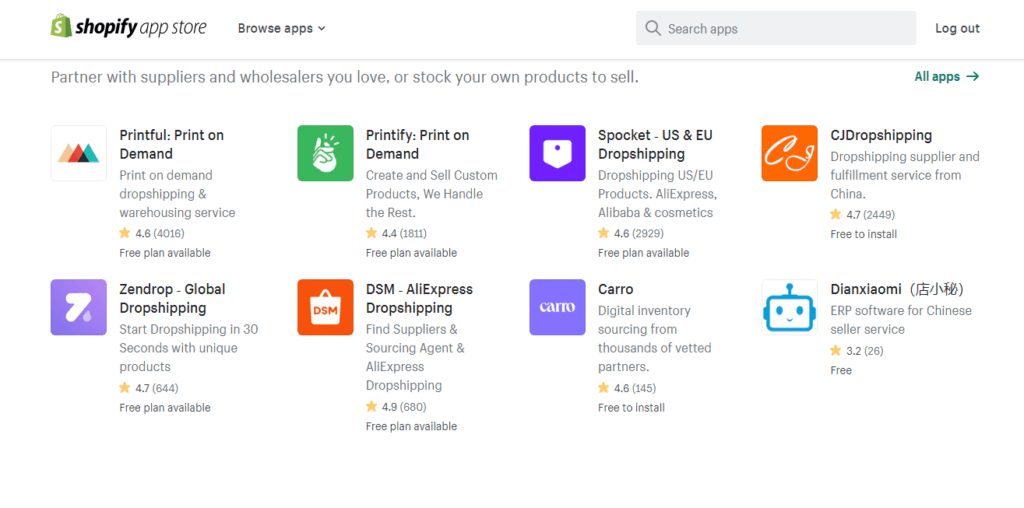
All you need to do is showcase the products in your store, do the marketing, and when customers place an order, the suppliers handle the rest.
If you want to add products from suppliers through marketplaces like AliExpress, you’ll need to install the app, register an account (if you don’t already have one), and then select from hundreds of suppliers to start working with.
However, if you have products you want to add manually, click the “Add Your Product” button and fill in the required field.
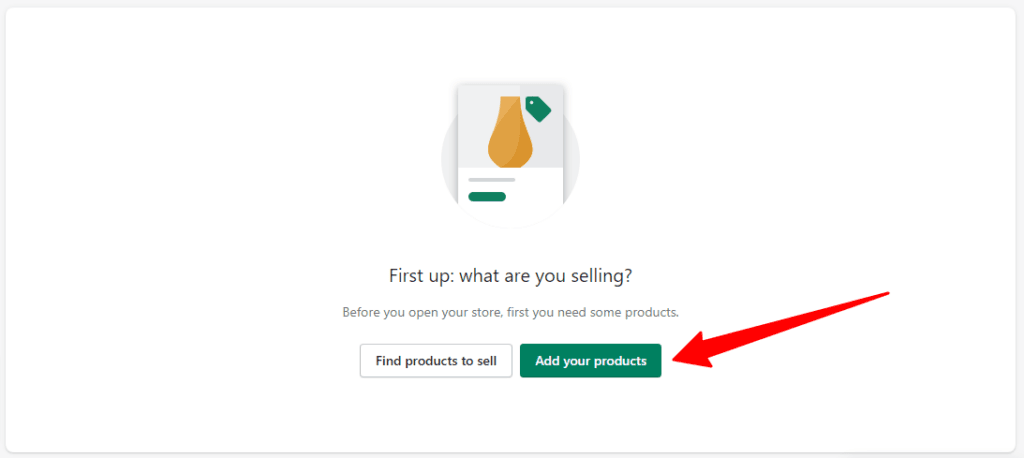
You need to enter the product:
- Title
- product description
- Products images
- Price
- Inventory details
- Quantity
- Shipping details
- Custom authority information
- Products status
- Products organization
- Tags
- Select sales channels
Remember to click save when you finish adding your product.
Extending Your Store Functionality
You would want to extend the functions and features of your Shopify store to get more done in less time.
The Shopify marketplace has over 8,000 apps to help you sell more, accelerate growth, and access new technology.
The Shopify app store offers free and paid apps. You can also add and install anyone in your store.
From analytics, marketing, inventory management, optimization, and sales, Shopify apps help you in every step of your eCommerce journey.
You can access the Shopify app store from here, which can help you increase conversion, boost sales, and optimize your store’s performance.
Promoting Your Shopify Store
Everything you’ve been reading will not yield positive results if you don’t market your product through the proper channels.
How to sell on Shopify will be incomplete without effective content marketing plans that bring sales.
This is why you need to pay attention to this section and follow the advice to maximize your chances of making sales.
To learn how to get people into your store and potentially buy from you, here are a few proven tactics to explore:
Paid Marketing
If you want more from your Shopify store, paid advertising is an inevitable marketing plan.
You must invest in paid marketing and test advertising agencies to see what is best for you.
For many small business owners, Facebook, Instagram, Google, and TikTok ads are the go-to advertising platforms. You can begin with TikTok and Facebook advertising, as these two are more affordable than Google ads.
Depending on your line of products, social media platforms can be a better source of marketing for your store. But you need different marketing platforms, products, ad materials, and audiences to discover what works best.
Email Marketing
Email remains one of the best-used communication channels for businesses and individuals.
From the moment you launch your store, start capturing customer email lists so you can market to them repeatedly.
In addition, Shopify provides email marketing features that let you capture customer details on the checkout page.
Go to your Shopify account settings page, click checkout, scroll down to “content for marketing,” and click the marketing channels you want.
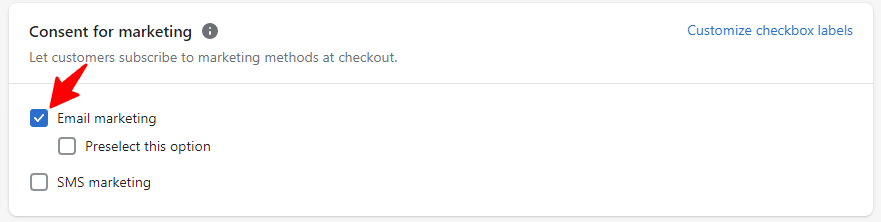
This feature allows customers to subscribe to your marketing newsletter while completing their checkout.
SEO – Search Engine Optimization
You can’t run a successful online business without organic search engine traffic.
90% of your converted traffic will come from people who find your business through search engines.
You need to optimize your Shopify store for SEO and boost its search engine visibility.
This is how you can run successful eCommerce business ideas without spending all your income on advertising.
Here is a comprehensive post on the Shopify blog to learn more about optimizing the Shopify store’s SEO.
FAQ – How to Sell on Shopify
Here are some inquiries about how to sell on Shopify that are worth answering. If your question is unanswered, submit it in the comment section below.
Can you sell on Shopify for free
You can start a free online store with Shopify’s 3-day free trial + $ 1/month offer. However, when your trial expires, you must subscribe to the Basic plan and enjoy $1 for the first three months of your subscription. Sign up for a trial account today through this link and enjoy 3-days of a free Shopify account.
Can you resell products on Shopify?
You can resell other people’s products on Shopify and make money. Many intelligent marketers source products through online marketplaces like Alibaba and AliExpress and display the product image on their Shopify store.
When customers place orders, they let the manufacturer handle the rest. It is a win-win situation for everyone. However, you must be aware of the country’s law you’re selling in and ensure the product does not violate any existing laws or intellectual property.
Can you make money selling on Shopify?
There are several ways to make money on Shopify. First, you can start an online store on Shopify’s platform and sell your products and services to customers. Everything legal can be sold on Shopify, from travel accessories, clothing, computers, home, and garden to hospitality.
Interestingly, you can make money on Shopify without selling anything. You earn a percentage of the transaction by becoming one of the Shopify affiliates and getting more sellers to sign up on the platform.
Conclusion…
I recommend this beginner’s guide to selling on Shopify.
This guide is more up-to-date. Many guides written four or five years ago no longer contain the correct information.
A lot has changed since then, and now, I have carefully written how to sell on Shopify step by step and try not to leave you hanging.
I hope this information serves you positively well on how to start your online journey selling on Shopify.



Currently Shopify is a very popular site. I also really want to work with Shopify but was very worried about how to start. But the way you have shared such a nice post for the beginner and cleared the work of Shopify with so many good tips was really amazing. Hope it will be very helpful for all beginners and thank you very much.
I hope it helps you start a profitable e-commerce shop. Thanks for reading.