

Shopify has revolutionized how businesses approach online sales, offering a user-friendly hosted platform for entrepreneurs to set up and manage their stores.
If you are unsure whether it is the right platform, you will learn the 8 benefits of using Shopify for your online store in this article.
Understanding Shopify’s core features and benefits allows you to make informed decisions and explore the platform entirely.
In the following sections, we’ll explore Shopify’s strengths and advantages. We hope the information you read here helps you make the right choice.
Ease of Use and Setup
Two of Shopify’s greatest strengths are its user-friendly interface and easy signup process, which make it accessible to tech-savvy entrepreneurs and those with limited technical expertise.
The platform is designed to be intuitive, allowing users to navigate through the setup process with minimal friction.
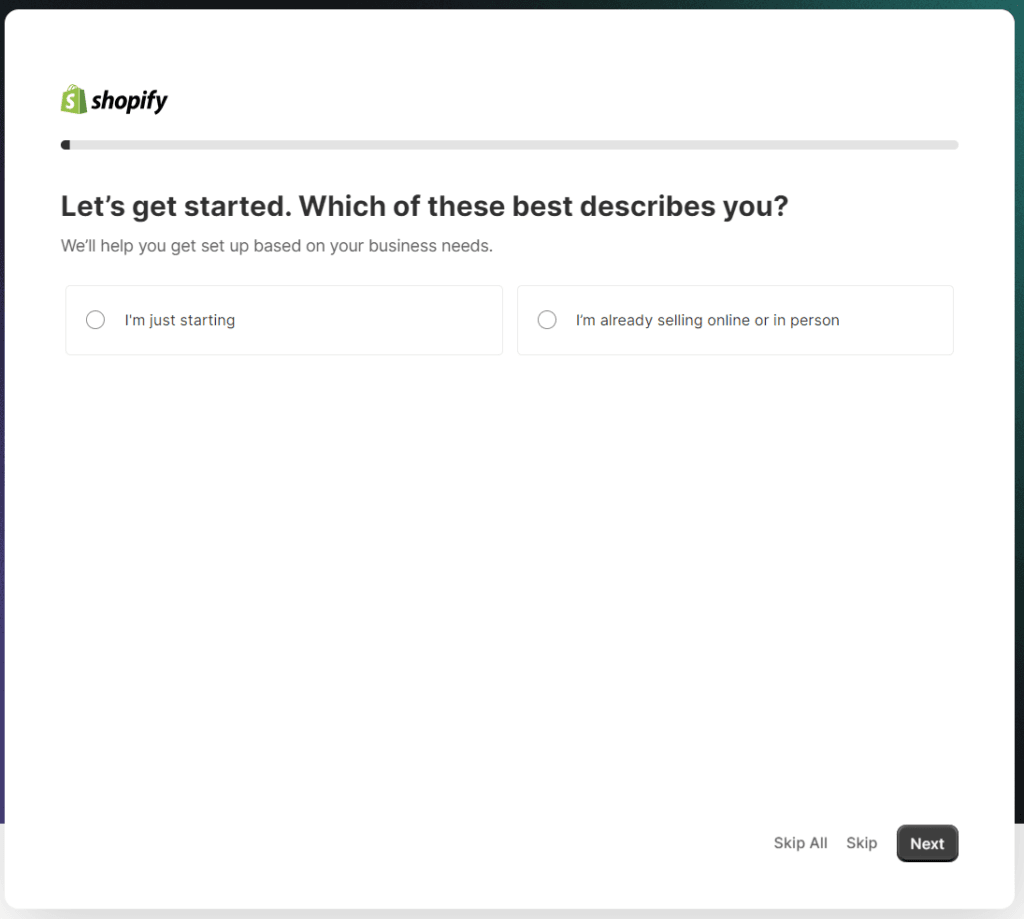
From the outset, Shopify presents a clean and organized dashboard after signing up, guiding users through essential steps like product listing, inventory management, and payment setup.
The drag-and-drop functionality for designing store layouts further simplifies the process, enabling users to experiment with different designs without requiring coding knowledge.
This ease of use empowers business owners to focus on core business activities like product sourcing, marketing, and customer service rather than getting bogged down in technical complexities.
By streamlining the setup process, Shopify significantly reduces the time and effort required to launch an online store, allowing entrepreneurs to bring their products to market faster.
Ultimately, Shopify’s user-friendly interface and ease of use democratizes e-commerce, making it accessible to more individuals and businesses. This level of accessibility is a cornerstone of Shopify’s appeal and contributes significantly to its popularity as a leading e-commerce platform.
Design Flexibility and Customization
Shopify offers a commendable degree of design flexibility, allowing merchants to create online stores that reflect their brand identity.
The platform provides a robust selection of pre-designed Shopify themes, catering to various niches and aesthetic preferences. These themes serve as a solid foundation, offering customizable elements that enable merchants to tailor the look and feel of their stores.
Shopify’s drag-and-drop interface empowers users to experiment with different layouts, rearrange sections, and modify content without diving into complex code. This intuitive approach allows merchants to create visually appealing stores without requiring extensive design or coding expertise.
However, it’s essential to note that while Shopify offers a decent level of customization, achieving a truly unique and complex design might require additional effort or investment.
For those seeking advanced customization, Shopify also allows for some degree of code editing.
Merchants with coding knowledge or the willingness to learn can explore the Shopify theme’s code more deeply to make more intricate changes. This flexibility is crucial for eCommerce businesses requiring highly specific design elements or functionalities.
While Shopify’s design capabilities are generally robust, it’s essential to consider that achieving an utterly bespoke design might involve additional time, resources, or the need to hire a designer or developer.
Balancing design aspirations with the platform’s limitations is key to creating a visually appealing and functional online store.
Robust Payment Processing and Security
A cornerstone of any successful e-commerce platform is the ability to process payments securely.
Shopify excels in this area by offering seamless integration with many payment gateways and competitive transaction fees, allowing merchants to cater to diverse customer payment preferences.
From major credit cards to digital wallets, offline transactions, and alternative payment methods, Shopify empowers businesses to accept various payment options, enhancing customer satisfaction and boosting conversion rates.
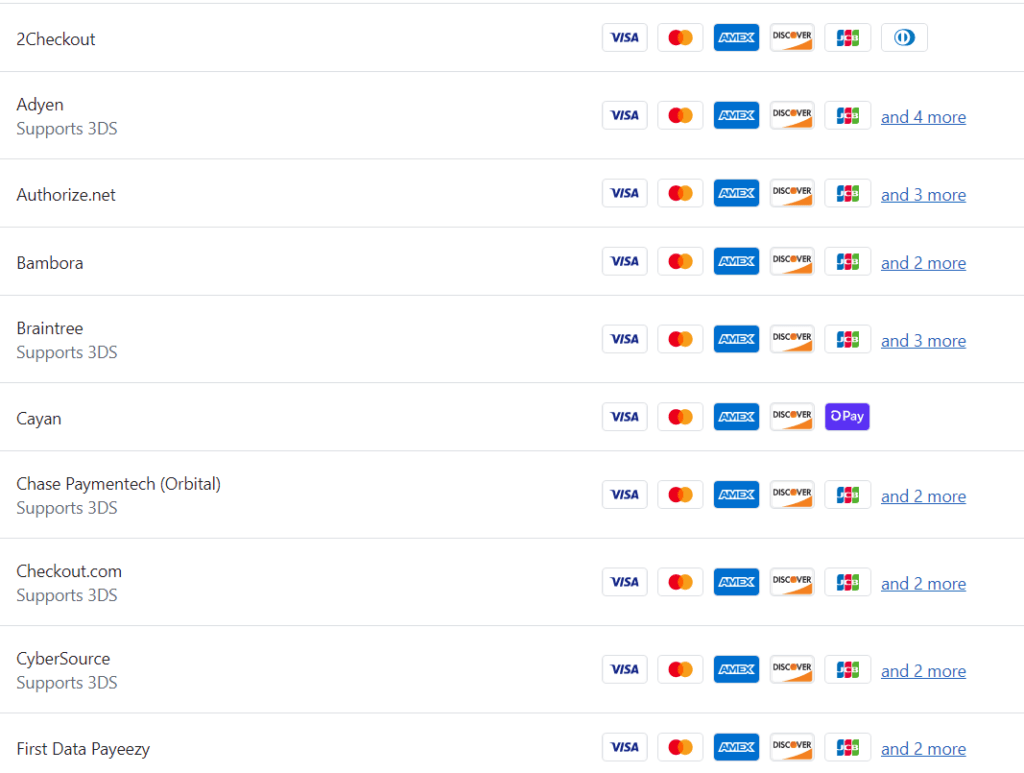
Beyond payment flexibility, Shopify emphasizes security. The platform adheres to stringent PCI DSS (Payment Card Industry Data Security Standard) compliance, ensuring that sensitive customer data is handled carefully.
This commitment to security fosters trust between merchants and customers, increasing customer confidence and reducing chargeback risks.
Additionally, Shopify incorporates fraud protection features to safeguard businesses against fraudulent transactions. By employing advanced fraud detection algorithms, Shopify helps to minimize financial losses and protect the merchant’s reputation.
For businesses operating in a global market, Shopify offers support for multiple currencies and real-time local currency converters, making it easier to reach customers worldwide. This feature is essential for companies expanding their reach and catering to diverse customer demographics.
In essence, Shopify’s robust payment processing and security features provide a solid foundation for merchants to conduct business confidently, knowing that their customers’ and financial information are protected.
Extensive App Ecosystem
Shopify’s strength lies in its core features and ability to adapt and grow with your business. The Shopify app store is a testament to this, offering a vast marketplace of third-party applications designed to enhance your store’s functionality.
From marketing and sales tools to inventory management and customer support, the Shopify app store provides an almost limitless array of options to cater to specific business needs.
An app will likely solve your needs, whether you need to automate tasks, improve customer experience, optimize SEO, or integrate with other business tools.
This extensive app ecosystem (over 8,000 apps) empowers merchants to customize their stores beyond the basic functionalities offered by Shopify. Integrating relevant apps allows you to streamline operations, increase sales, and enhance customer satisfaction.
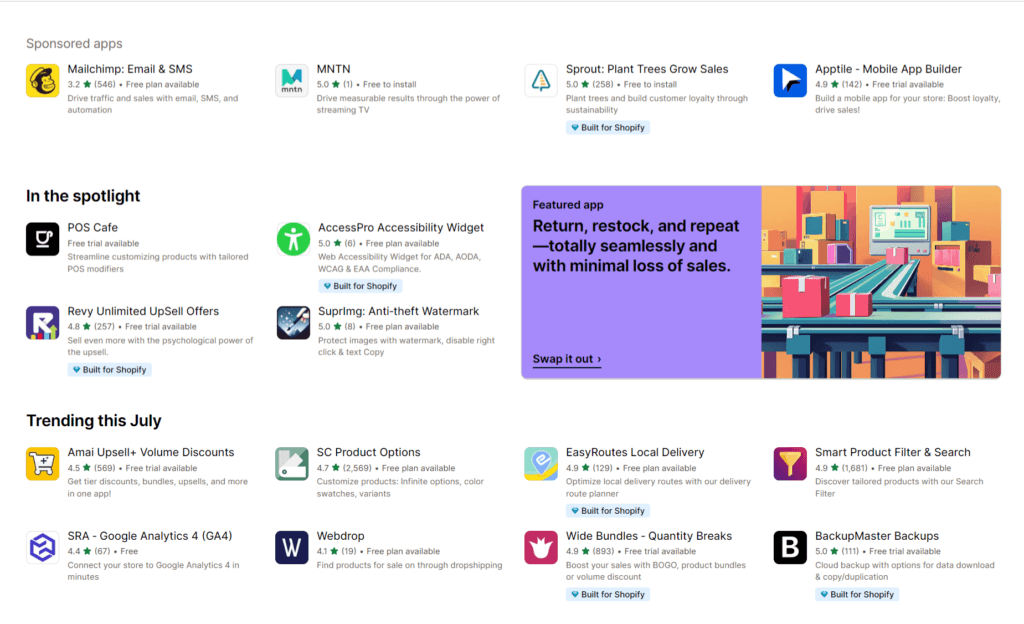
For instance, you can add advanced shipping options, integrate with print-on-demand (POD) manufacturers/vendors, or offer loyalty programs to reward repeat customers.
While the Shopify app store offers many options, evaluating each app’s quality, cost, and potential impact is essential before integrating it into your store. Carefully consider your business’s specific needs and choose apps that align with your goals.
You can transform your store into a powerful and efficient e-commerce platform by leveraging the Shopify app store.
Note:
While the Shopify app store offers a vast array of options, it’s crucial to maintain a balance. Overloading your store with unnecessary apps can slow performance and create a cluttered user experience.
Built-in Marketing and SEO Tools
Shopify recognizes the pivotal role of marketing and SEO tools in driving online success. The platform offers built-in tools to help merchants increase visibility, attract customers, and boost sales.
At the core of Shopify’s marketing capabilities is its SEO-friendly architecture.
The platform provides essential tools for optimizing product pages, blog posts, and overall website structure for search engine visibility.
Features like automatic sitemap generation, URL customization, and meta-tag editing empower merchants to enhance their websites’ search engine visibility.
Beyond SEO, Shopify offers a range of eCommerce marketing tools to help you connect with your audience.
The built-in email marketing functionality allows you to create and send professional-looking email campaigns, nurture customer relationships, and drive repeat purchases.
Additionally, Shopify integrates seamlessly with popular social media platforms, enabling you to showcase your products and engage with customers across various channels.
While Shopify’s built-in marketing tools provide a solid foundation, advanced marketing strategies might require additional tools or expertise.
For instance, in-depth SEO analysis, complex email marketing automation, and social media advertising campaigns might necessitate third-party apps or services.
Nevertheless, Shopify’s marketing features are a valuable starting point for many online businesses, providing a solid framework for building a successful marketing strategy.
Scalability and Growth Potential
One of Shopify’s greatest strengths is its ability to accommodate business growth.
The platform is designed to scale with your business, ensuring you can handle increased traffic, sales, and product offerings without compromising performance.
Shopify offers a range of pricing plans to suit businesses of all sizes.
As your Shopify store grows, you can easily upgrade to a plan with higher transaction limits, increased storage, and additional features. This flexibility allows you to invest in resources as your business expands, avoiding unnecessary costs during the early stages.
For more information on Shopify’s plans and price list, read our detailed guide on Shopify Standards vs Shopify Plus.
Furthermore, Shopify integrates seamlessly with fulfillment and shipping services, streamlining the order fulfillment process and enabling efficient order management.
As your business grows and order volume increases, Shopify can handle the increased workload, ensuring that your customers receive their orders promptly and accurately.
It’s important to note that while Shopify offers excellent scalability, explosive growth might require additional resources or specialized solutions.
For example, if you need more people (up to 20 staff members) managing your Shopify store, setting store permissions access, or selling to B2B, consider upgrading to Shopify Plus.
However, the platform’s foundation is designed to support significant business expansion, making it a reliable choice for entrepreneurs looking to build a sustainable and growing online store.
By carefully considering your business growth projections, leveraging Shopify’s scalability features, and choosing the right plan, you can position your online store for long-term success.
Shopify POS
Shopify’s commitment to empowering businesses extends beyond online sales. The Shopify POS system seamlessly integrates your online and physical stores.
With Shopify POS, you can manage inventory, process payments, and track sales across your online and brick-and-mortar locations. This unified approach simplifies operations and provides valuable insights into your business performance.
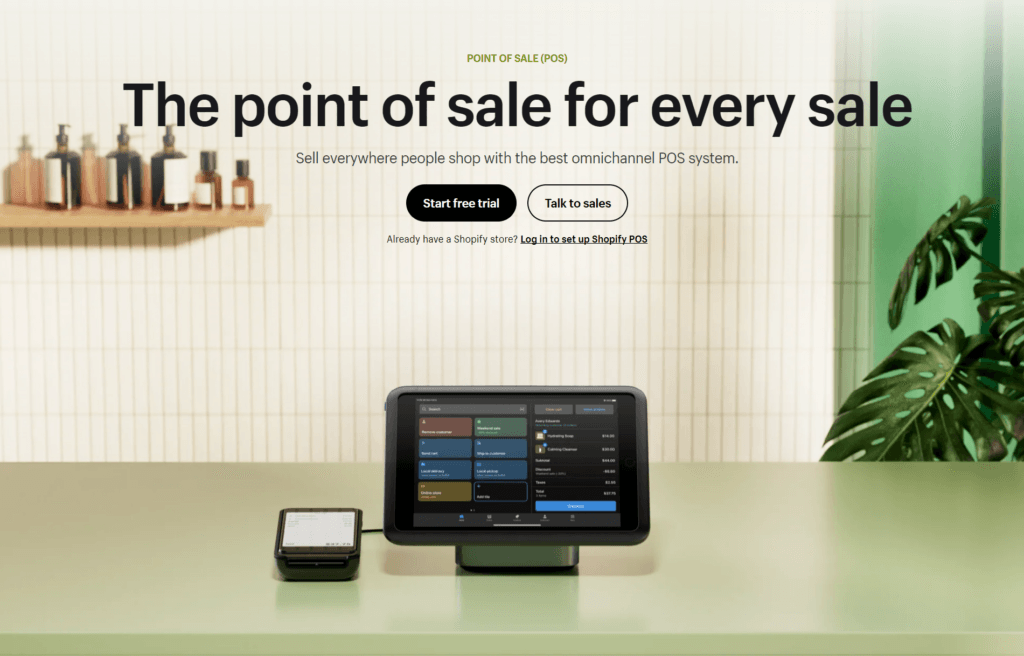
Furthermore, Shopify POS often comes with hardware options like card readers and receipt printers, making it a complete point-of-sale solution. This allows you to efficiently handle in-person transactions while maintaining consistency with your online brand and customer experience.
By leveraging Shopify POS, you can create a cohesive customer journey, whether shoppers are purchasing online or in-store. This integrated approach can lead to increased sales and enhanced customer satisfaction.
Customer Support and Reliability
A reliable platform with responsive customer support is crucial for any business.
Shopify excels in both these aspects, offering merchants peace of mind and the ability to focus on growing their business.
Shopify provides 24/7 customer support through phone, email, community forums, and live chat channels.
This ensures that assistance is readily available whenever you encounter issues or have questions. The support team is generally knowledgeable and responsive, helping merchants resolve problems efficiently.
Beyond customer support, Shopify prioritizes platform reliability. The platform operates on a robust infrastructure, ensuring minimal downtime and optimal performance.
This reliability is essential for maintaining customer satisfaction and avoiding potential revenue loss due to website inaccessibility.
Shopify’s commitment to uptime and customer support contributes significantly to its reputation as a trusted e-commerce platform.
Shopify fosters a positive business environment by giving merchants confidence that their online store is in good hands.
Conclusion
Shopify has established itself as a leading e-commerce platform by offering a compelling combination of user-friendliness, scalability, and security. Its extensive app store and robust marketing tools allow merchants to customize their stores and reach a wider audience.
While Shopify has limitations, it remains a strong choice for businesses of all sizes. Understanding its strengths and potential drawbacks lets you decide whether Shopify is the right platform for your e-commerce journey.
Remember to evaluate your business needs carefully and explore alternative Shopify options if necessary.
However, Shopify’s track record of success and its commitment to empowering entrepreneurs make it a compelling platform to consider.





Hi Shamsudeen,
I am looking for a website where I can sell my product.
Thank you, after reading your article I got to know how to do it.
Thank you for sharing this knowledge with us.
Shopify truly stands out as a versatile and user-friendly platform for businesses of all sizes! Its easy setup, customizable design, and robust app ecosystem make it a top choice for entrepreneurs looking to scale their online store. Have you considered using Shopify for your business?