

Affiliate links earn nothing until the right people click them. If you are just starting out, paying for traffic usually isn’t an option.
The good news is that free traffic still works, but it costs you time instead of money.
I have been blogging since 2012, and I have tested many free traffic channels along the way. Some send visitors who buy. Others send visitors who never come back or click on your affiliate link.
This guide covers the seven free traffic sources for affiliate marketing worth your effort in 2026, what each one is best for, and how to choose where to start.
What Counts as Free Traffic (and What It Really Costs)
Free traffic means you do not pay for ads or clicks. It still costs time, consistency, and patience. Here is how the seven channels compare:
| Channel | Typical time to results | Effort | Best for |
|---|---|---|---|
| SEO | Several months | High upfront | Reviews, comparisons, “best X” content |
| Builds over weeks | Medium, ongoing | Repeat clicks and promotions | |
| YouTube | Two to six months | High | Product reviews and tutorials |
| Two to four months | Medium | Home, fashion, food, and DIY niches | |
| Reddit and Quora | Days to weeks | Medium, ongoing | Answering niche questions |
| LinkedIn and short video | Weeks to months | Medium | B2B tools and consumer products |
| Communities and guest posting | Weeks to months | Medium | Authority and referral traffic |
These timelines are typical ranges, not guarantees. Your niche and consistency will change the results you get.
1. SEO (Organic Search)
SEO is the strongest free traffic source for most affiliate sites because it reaches people who are already searching for something to buy or compare.
One well-ranking article can drive clicks for years without extra spend. Mostly, SEO has been the biggest driver of our affiliate-focused content, and it’s the most converting traffic channel, too.
Why SEO converts well for affiliate content
Searchers using phrases like “best,” “review,” “vs,” “alternatives,” and “pricing” are close to a decision. Your job is to be the helpful page they land on.
The content types that fit affiliate SEO best are:
Do keyword research before you write
Writing without keyword research wastes effort, because you may target something nobody searches for. Start with my guide on affiliate keyword research.
Google Search Console is free and shows what your pages already appear for. Rank Tracker from SEO PowerSuite also has a free plan, which is enough to start.
For a wider look at ranking, see how to improve organic search traffic.
You can also start and manage an affiliate program more easily than ever: services like iDevDirect offer affiliate plugins for virtually any CMS: WooCommerce, Magento, Drupal, and platforms like Wix, Weebly, and many more.
Show up in AI search results too
More people now get answers from AI search tools, and those tools often cite web pages. Nobody can guarantee a citation, but these habits help:
For more, read my guide on using AI for SEO.
2. Email Marketing
Email is the one channel you own. Most platforms’ algorithms change, and accounts get restricted, but your list stays with you. That makes it the best way to turn one-time visitors into repeat clicks.
Start with a lead magnet
People rarely join a list for a generic “subscribe” box. Instead, give them a reason such as a checklist, a template, a short course, or a workbook.
I offer a free 30-day affiliate marketing workbook for exactly this purpose.
Pick a free platform to start
You do not need to pay at the beginning. Brevo has a free email marketing plan that is enough for a new list, and you can move later if you need more.
Check the current limits before you commit, because they change.
Send value, not just links
If you make every email a sales pitch, people will unsubscribe fast. Instead, offer value upfront, share helpful tips, insights, and build that relationship.
People didn’t join your list to be sold; they did to learn. Product recommendations should come after you’ve earned their trust.
3. YouTube
YouTube is a search engine, and its videos also rank in Google. A good video keeps working long after you publish it.
I’m not consistent with YouTube; it’s one area I plan to improve soon. I plan to publish more videos and improve quality and presentation.
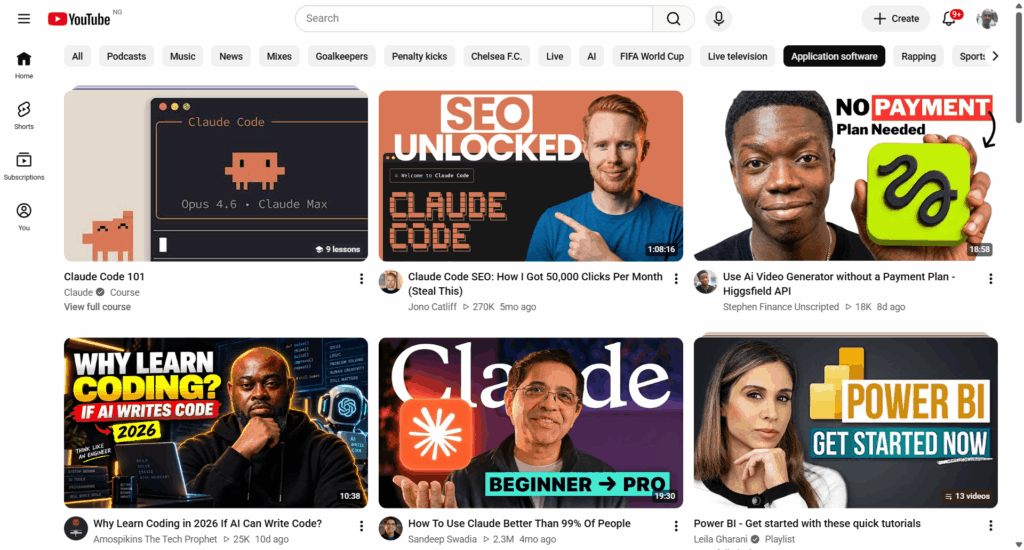
The formats that suit affiliate marketing are:
Put your link in the description and a pinned comment, and mention in the video that it is an affiliate link. Better still, link to your written review, which holds more detail and keeps people on your site.
You do not need fancy gear or video recording equipment. Clear audio and a screen recording are enough for software topics.
4. Pinterest
Pinterest works more like a visual search engine than a social network. Pins can keep sending visitors for months, which suits evergreen content.
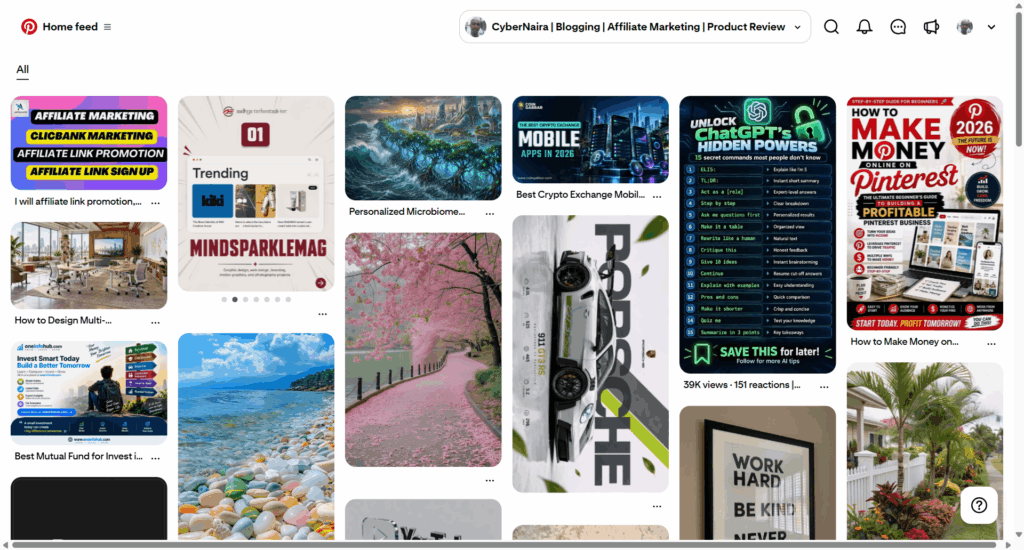
It does best in visual niches such as home, fashion, food, DIY, and wellness.
Link pins to your blog content, not directly to an affiliate offer. Many affiliate programs restrict direct linking on some platforms, so read each program’s terms.
A simple workflow:
- Create three to five pin designs for each article.
- Write keyword-rich pin titles and descriptions.
- Save them to well-organized boards.
- Track which pins send clicks, then make more like them.
5. Reddit and Quora
These communities reward people who genuinely help others. They punish people who drop links or spam the community.
On both platforms, answer the question fully first. Link to your article only when it adds real value, and read each community’s rules before posting.
On Quora, link to your helpful article instead of an affiliate offer, since commercial links are treated strictly. Always be open about any connection to what you recommend.
Done well, this builds trust and sends targeted visitors. Genuine mentions in these places can also support your visibility in AI search. Done badly, it gets you banned.
6. LinkedIn and Short-Form Video
LinkedIn suits B2B tools, software, courses, and professional services. Share what you learned from testing a tool, a result, or a lesson, with a link to the full article in the post or first comment.
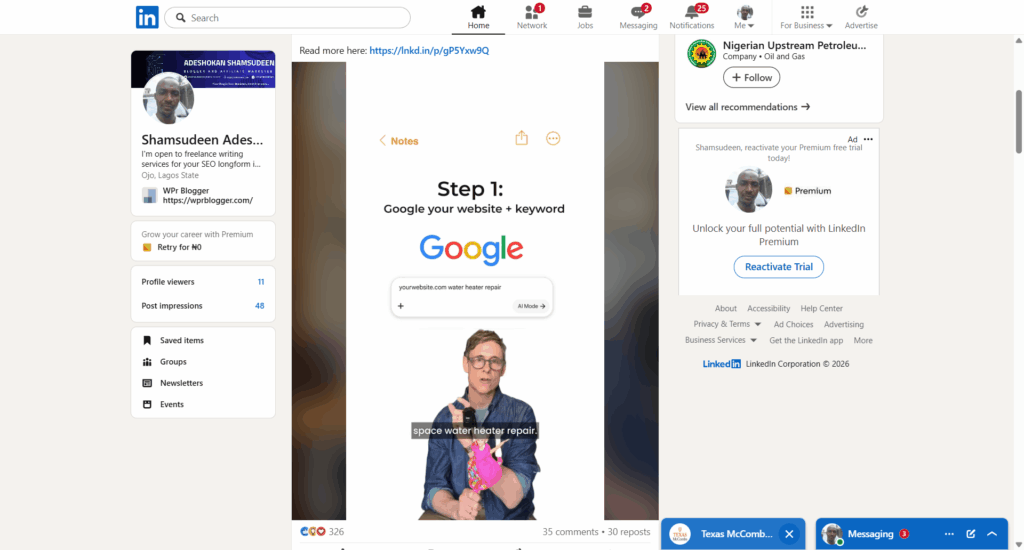
Short-form video (TikTok, Instagram Reels, YouTube Shorts) suits consumer products and quick demos. Show the product solving one problem in under a minute.
The efficient approach is to repurpose existing content. One article can become a LinkedIn post, a carousel, and three short clips.
Check each platform’s rules on affiliate links, and point people to your article instead of a raw link.
7. Communities and Guest Posting
Communities such as Facebook groups, Discord servers, Slack groups, and niche forums are full of people asking for recommendations. Help first and become known for useful answers.
Only share a link when it directly answers someone’s question, and follow the group’s rules.
Writing for other blogs in your niche also brings referral traffic and backlinks that help your SEO.
Link to a useful resource, not a sales page, because many editors do not allow affiliate links. See my guide on link building strategies for the full approach.
Free vs Paid Traffic: When to Consider Ads
Free traffic is slower, but it compounds. Paid traffic is faster, but it stops when your budget does.
Many affiliates use free channels for the long game and test paid ads once they know which offers convert.
If you want speed and are ready to test ads, read my guide to paid platforms before you spend anything.
How to Choose Your First Channel
Trying everything at once is the fastest way to burn out. Pick one main channel and one supporting channel, then stay with them for 90 days.
A simple 30-day starter plan
For a fuller day-by-day plan, grab the free workbook.
Common Mistakes to Avoid
Frequently Asked Questions
Conclusion
You do not need an ad budget to earn from affiliate marketing. You need a channel that fits your strengths and the patience to stay with it.
Start with one main source, publish helpful content, and track what sends clicks.
Want a clear path to follow? Download my free 30-day affiliate marketing workbook and start with week one.


Nice post, I want to drive traffic to my website and aslo need good Adsense account. Where is your office I wish to learn more from you.
wow , really very exhaustive and detailed step by step guide on affiliate marketing .
many thanks for sharing this valuable information for free.
Thanks, all the best.
Affiliate marketing is a trendy way to make money online. In this article, you have composed your inner thoughts on affiliate marketing. Thank you for sharing your important ideas.
Many thanks for sharing terrific informations. Your webpage is very great.
Hi Singh,
Glad you find it helpful, thanks for reading through.
Hello Shamsudeen. Great post. The facts you have written about the affiliate marketing is really good and informational and relevant too. Thank you very much for the post.
Glad you like it, Valibhav.
Hey SHAMSUDEEN,
You are right affiliate marketing is a trendy way to make money online.
In this article you have mention all the important things about affiliate marketing which is really good information and relevant too. Promoting affiliate marketing content will take more planning ,carefully worked and aggressiveness, it also require more resources compared to when we are promoting non-revenue focus content.
thank you,
-sweety
Hi, Sweety,
Thnaks for your valuable inputs. I’m glad to read you liked it. Thanks.
Hey SHAMSUDEEN,
In this article you have mentioned all the important things about The idea behind it is that you promote other people’s products, often through an affiliate network, earning a commission if people actually end up buying thanks to your marketing.
Hi, Anamika,
Thanks for reading through, I’m glad you like it.
Thank you Shamsudeen, for sharing your important ideas about affiliates marketing traffic channels and of cause now affiliate marketing is a trendy way to make money online. It is really useful content for us.
Thank you, Tarundeep,
Glad you find it useful.
Hey SHAMSUDEEN,
Very Informative and Relevant Content for affiliation. Do I have to ask about what measure should we take for a successful campaign ? please reply me
Hi, Ayush,
Do more content promotion than writing itself, and try paid ads if you haven’t run with it. It helps bring your content to the forefront of relevant audiences. I hope this helps?
Hi, thanks for your sharing. I really interested on affiliate marketing, but how to make an affiliate blog or website that the product is really needed someone. How to research it? Thanks
Hi, Syaffi,
Affiliate marketing is a profitable business if done right. You only need to approach it from a business perceptive. If you search through this blog, there are many other posts on affiliate marketing you’ll find helpful.
And thanks for reading through.
Thanks a lot for the amazing affiliate marketing tips and tricks. Your blog was definitely worth reading.
Thanks, Jessica, glad you liked it.
Thanks a lot for the amazing affiliate marketing tips and tricks. Your blog was definitely worth reading.
Hey Shamsudeen,
Thank you for sharing this amazing ideas about affiliate marketing. This marketing is really profitable if you have complete knowledge of doing it in a right way. It represent the complete information of making money online using affiliate marketing.
I am glad to say that all the tips mention by you in this post is suitable for beginners and pro affiliate marketers alike. It is really useful content for us. I am genuinely grateful for your valuable efforts.
Have a good day ahead!!!
Thanks,
Ruhee
Hi, Ruhee,
I’m so glad you find the tips here helpful. Thanks for reading through and hope to read from you again soon.
Thanks for your time here.
You have shared such informative posts with the audience. this is a vital topic to discuss in today’s modern era. Affiliate marketing is one of the best ways to promote your valuable content and achieve your business goals. This article helps me understand this topic as you have covered every bit of affiliate marketing in this. Keep sharing more informative posts for us.
Glad you like it.
WOW. how awesome tip you have given here. Just loved them. Never though affiliate marketing can be that easy. Thanks a lot for providing us the insights and knowlegde. Much appreciated.
You’re welcome, Harsh, and glad you find it helpful.
You shared a useful & informative article as usual, You cleared many bridges for my affiliate career. I picked up a couple of things I didn’t know, Thank you for sharing.
Those are great tips shamsudeen, I’ve used them to help grow my blog. If I may ask what are your thoughts on the importance of H1 on the blog?
Hi, Jamie,
Thanks for reading through. Back to your question…primarily, the page title is wrapped up in H1 tag and this has been the best practice for web development since I can remember.
Search engines like Bing will flag a URL for SEO error if the page title is missing the H1 tag. The best practice is to put your page title in the H1 tag and any sub-heading in the body article can take the h2, h3 tag.
I hope this helps?
If you want a more in-depth understanding of how the H tags are implemented on a page, read this: https://yoast.com/how-to-use-headings-on-your-site/
I am doing affiliate marketing, I used these strategies, it really works, well explained SHAMSUDEEN
I’m in love with affiliate marketing business and I would recommend it to anyone. But, we might keep in mind that it requires a lot of efforts and consistency to make the first commission. This article is another eye-opening page that also reminded me to get focused on SEO again.
Keep writing buddy!
Glad you find it helpful.