
Organic traffic takes months to build. A well-run PPC campaign can start sending visitors to your site within hours of launch.
That speed is the main reason paid advertising, also called pay-per-click (PPC) marketing or paid media, remains one of the most reliable ways to grow website traffic on demand.
The challenge is not whether to run paid ads. It is knowing which platform actually fits your business, your budget, and the type of buyer you are trying to reach.
Google Ads, Facebook Ads, TikTok Ads, LinkedIn Ads, and half a dozen other networks all promise traffic and conversions, but each one works on a different logic.
Some capture people who are actively searching for a solution. Others interrupt people mid-scroll and build demand that did not exist a moment earlier.
This guide breaks down the best paid advertising platforms for driving website traffic, who each one is really built for, how much budget you need to see meaningful results, and the strategy that gets the most out of each network.
By the end, you should be able to point to two or three platforms that match your business instead of guessing.
How Paid Advertising Actually Works
Before comparing platforms, it helps to understand the pricing models you will see across almost every ad network:
Search engine marketing (SEM) and paid search both refer to bidding on keywords so your ad appears in search results.
Paid social refers to ads placed inside social feeds like Facebook, TikTok, or LinkedIn.
Native advertising, the category Taboola and Outbrain fall into, blends ads into the look of the surrounding content so they read less like traditional banner ads.
Display advertising covers the banner and image ads that appear across a network of partner websites, separate from search results or social feeds.
Two more terms come up constantly once a campaign is live:
Retargeting, sometimes called remarketing, shows ads to people who already visited your site or engaged with your brand, and it typically converts at a much higher rate than cold traffic because the audience already knows you.
ROAS, or return on ad spend, measures the revenue generated for every dollar spent on advertising, and it is usually a more useful benchmark than cost per click alone, since a cheap click that never converts is worth less than an expensive click that buys.
Knowing these terms matters because they shape how you budget. A CPC campaign on a high-intent search platform behaves very differently from a CPM awareness campaign on a discovery network, even if both are technically “paid ads.”
Confusing the two is one of the most common reasons a paid marketing budget underperforms: judging a brand-aware CPM campaign by the same conversion benchmarks as a bottom-funnel PPC campaign will almost always make the awareness campaign look like a failure when it is actually doing its job.
How to Choose the Right Ad Platform
Four questions will narrow the list fast:
- Is your buyer actively searching, or do you need to create the demand? Search platforms (Google, Bing) capture existing intent. Social and native platforms (TikTok, Facebook, Pinterest, Taboola) are better at generating interest from people who were not looking for you yet.
- What is your monthly budget? Some platforms have minimums that only make sense above a certain spend. Others let you test meaningfully with $10 to $20 a day.
- Who is the buyer? A consumer buying a $20 product behaves nothing like a B2B decision maker evaluating enterprise software. LinkedIn, Quora, and Reddit skew toward research-heavy, professional, or niche-interest audiences. TikTok, Pinterest, and Facebook skew toward broader consumer audiences.
- What creative assets do you actually have? Video-first platforms like TikTok reward native, unpolished video. Search platforms need almost no creativity, just strong ad copy and a solid landing page.
One more factor worth naming directly: the funnel stage you are advertising to.
Top-of-funnel campaigns aim to introduce your brand to people who have never heard of it, and they are usually judged on reach, impressions, and CPM rather than immediate sales.
Bottom-of-funnel campaigns target people who are already close to buying, whether that is someone who searched your exact product name or someone who abandoned a cart on your site, and they are judged on conversion rate and CPA.
Confusing the two, or expecting a cold, top-of-funnel TikTok campaign to convert like a bottom-of-funnel Google search campaign, is one of the fastest ways to conclude a platform “does not work” when the real issue was mismatched expectations.
With that framework in mind, here is how the major platforms stack up.
1. Google Ads
Best for:
Businesses with a defined product or service that people are already searching for, from local plumbers to SaaS companies to ecommerce stores.
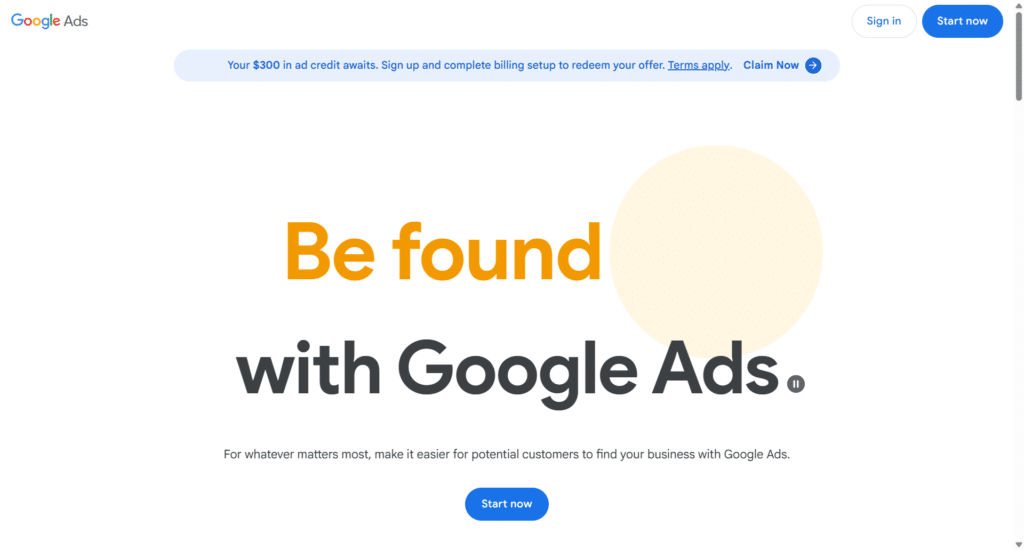
Google Ads is the world’s largest and most widely used online advertising platform. It allows businesses to display ads across Google Search, YouTube, Gmail, Google Maps, Google Shopping, and millions of websites in the Google Display Network.
For many businesses, Google Ads is the first platform they invest in. Unlike social media advertising, Google Ads reaches people who are actively searching for products, services, or information.
That high level of purchase intent often translates into better conversion rates, especially when campaigns are well optimized.
Top Strategy to maximize Google Ads:
2. Bing Ads (Microsoft Advertising)
Best for:
B2B companies, older demographics, and advertisers who want lower CPCs than Google without sacrificing search intent.
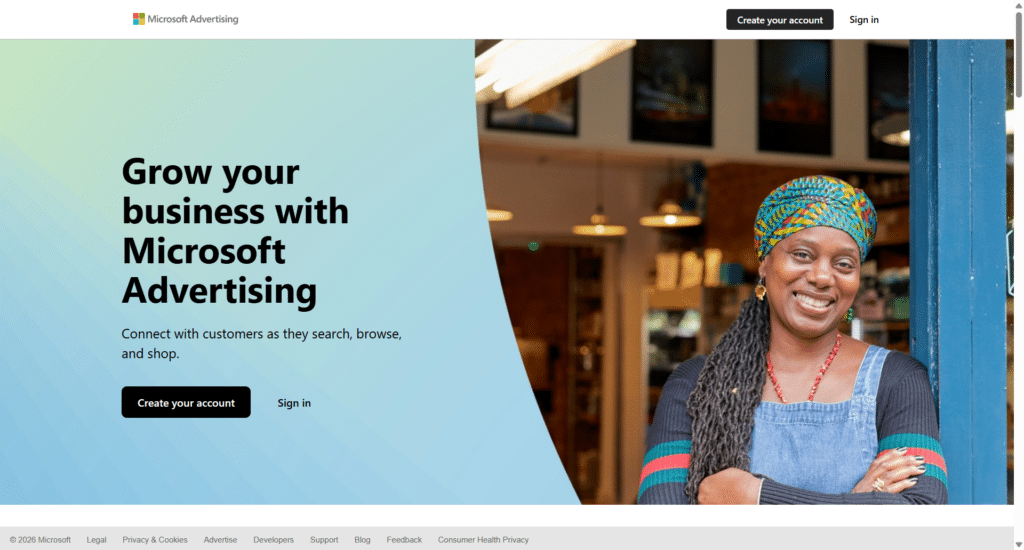
Microsoft Ads gives you access to users across the Microsoft Search Network, including Bing, Yahoo, AOL, DuckDuckGo (through syndicated partnerships in some markets), and other partner sites. While its audience is smaller than Google’s, it often delivers highly qualified traffic with less competition.
In many industries, advertisers also benefit from lower cost-per-click (CPC), making Microsoft Ads an attractive option for businesses that want to maximize their advertising budget.
Top Strategy to maximize Bing Ads:
3. Facebook Ads (Meta)
Best for:
Ecommerce brands, local businesses, and any company that benefits from detailed interest and behavior-based targeting rather than keyword targeting.
Despite increased competition from newer social media platforms, Facebook Ads remains one of the most powerful advertising platforms for businesses that want to reach highly targeted audiences.
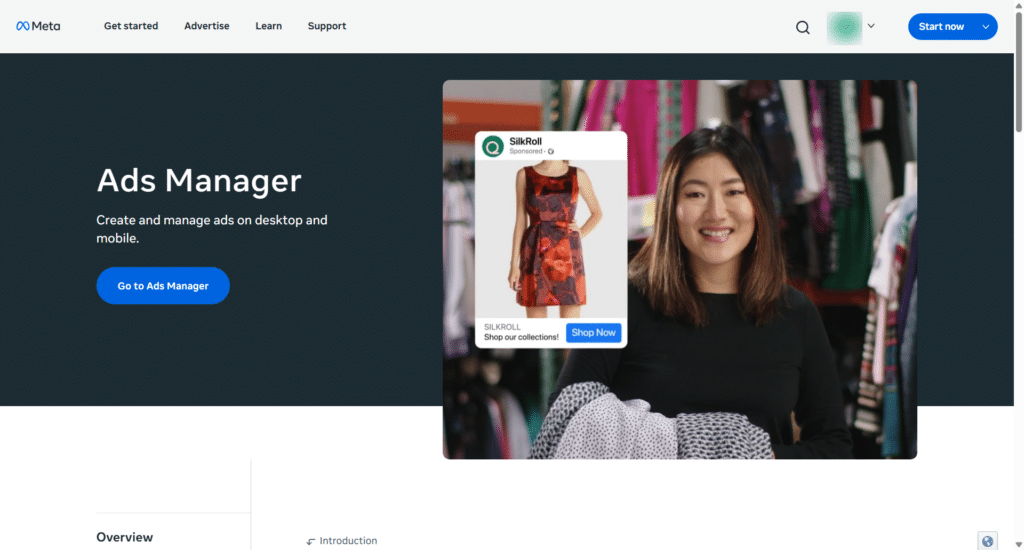
Through Meta Ads Manager, advertisers can run campaigns across Facebook, Instagram, Messenger, and the Meta Audience Network from a single dashboard. This gives businesses access to billions of users and a wide range of advertising formats, making it suitable for everything from local lead generation to ecommerce sales and brand awareness.
Unlike search advertising, where users actively look for products or services, Facebook Ads helps businesses create demand.
People don’t open Facebook intending to buy a product. Instead, they discover products through engaging images, videos, carousels, and compelling offers that capture their attention while they browse.
When used strategically, Facebook Ads can introduce your business to entirely new audiences and bring previous visitors back through remarketing campaigns.
Top Strategy to maximize Meta Ads:
4. TikTok Ads
Best for:
Brands targeting younger consumers, particularly Gen Z and younger Millennials, and any product that photographs or films well in a short, native-feeling video format.
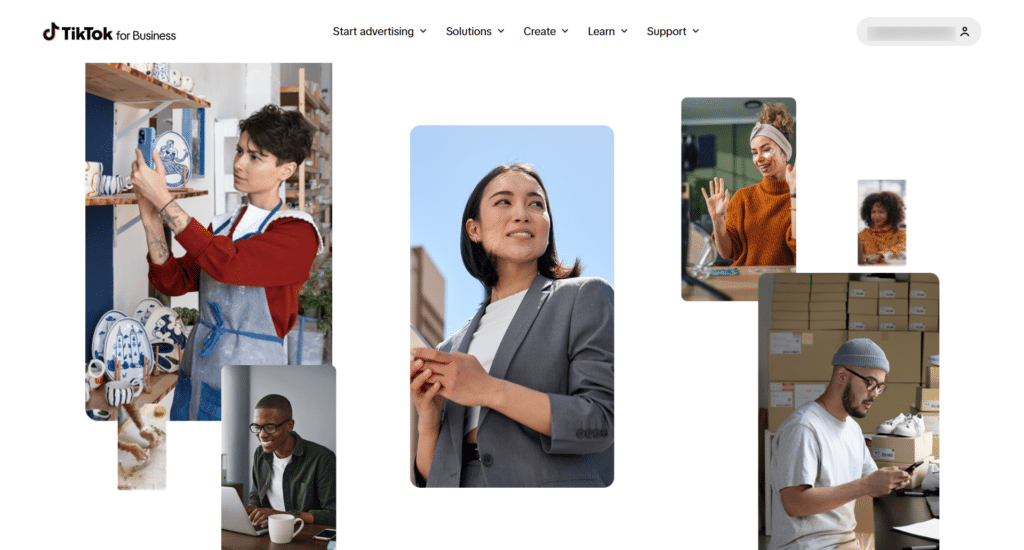
TikTok has evolved far beyond a platform for viral dances and entertainment. Today, it’s one of the fastest-growing advertising platforms for businesses looking to reach highly engaged audiences through short-form video
Unlike traditional search advertising, TikTok excels at product discovery. Users often discover brands, products, and services they weren’t actively searching for, making it a powerful platform for building awareness and driving impulse purchases.
For ecommerce brands in particular, TikTok has become an important channel for introducing products to new customers and generating sales through engaging, authentic content.
The keyword here is authentic.
Highly polished commercials don’t always perform well on TikTok. In many cases, simple videos that feel natural and relatable outperform expensive studio productions because they blend seamlessly into users’ feeds.
Top Strategy to maximize TikTok Ads:
Because TikTok’s algorithm and ad formats change quickly, setting campaigns up correctly the first time matters more here than on more established platforms.
If you want a walkthrough on getting a TikTok Ads account structured properly from the start, this resource covers the setup in more detail.
5. Pinterest Ads
Best for:
Home decor, fashion, food, wedding planning, DIY, and other visually driven, planning-oriented purchase categories.
Pinterest isn’t just another social media platform; it’s a visual discovery engine where people actively search for ideas, inspiration, and products they plan to buy.
Unlike users scrolling through Facebook or TikTok for entertainment, Pinterest users often visit with a purpose.
They may be planning a kitchen remodel, searching for wedding ideas, updating their wardrobe, decorating a new home, or looking for gift inspiration. In many cases, they’re already thinking about making a purchase.
This planning mindset makes Pinterest Ads one of the most underrated paid advertising platforms for ecommerce businesses.
If your products are visually appealing and solve a lifestyle need, Pinterest can drive highly qualified traffic and long-term sales.
Top Strategy to maximize Pinterest Ads:
6. LinkedIn Ads
Best for:
B2B companies selling to specific job titles, industries, or company sizes, including SaaS, recruiting, consulting, and enterprise services.
If your ideal customers are business owners, executives, decision-makers, or professionals, LinkedIn Ads should be on your radar.
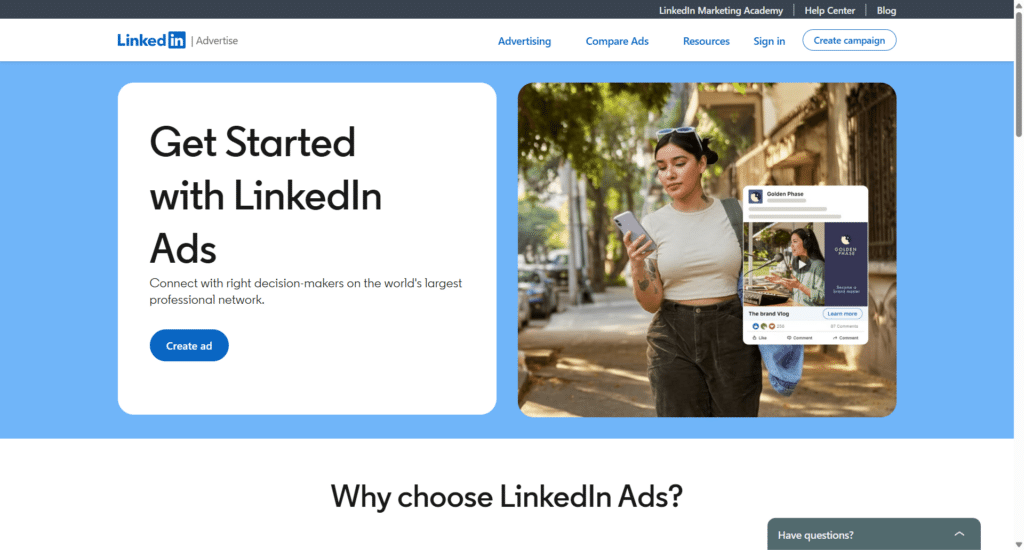
Unlike most advertising platforms that target consumers, LinkedIn focuses on professional networking. That makes it one of the best paid advertising platforms for B2B marketing, lead generation, recruitment, and promoting high-value products or services.
While LinkedIn Ads typically cost more than Facebook Ads or TikTok Ads, the higher price often reflects audience quality. Reaching a company’s CEO, IT manager, HR director, or procurement officer can be far more valuable than reaching thousands of consumers with no buying authority.
For many B2B companies, a single qualified lead can justify an entire month’s advertising budget.
Top Strategy to maximize LinkedIn Ads:
7. Reddit Ads
Best for:
Niche communities, tech products, gaming, and any brand that can speak the native, direct language of a specific subreddit’s audience.
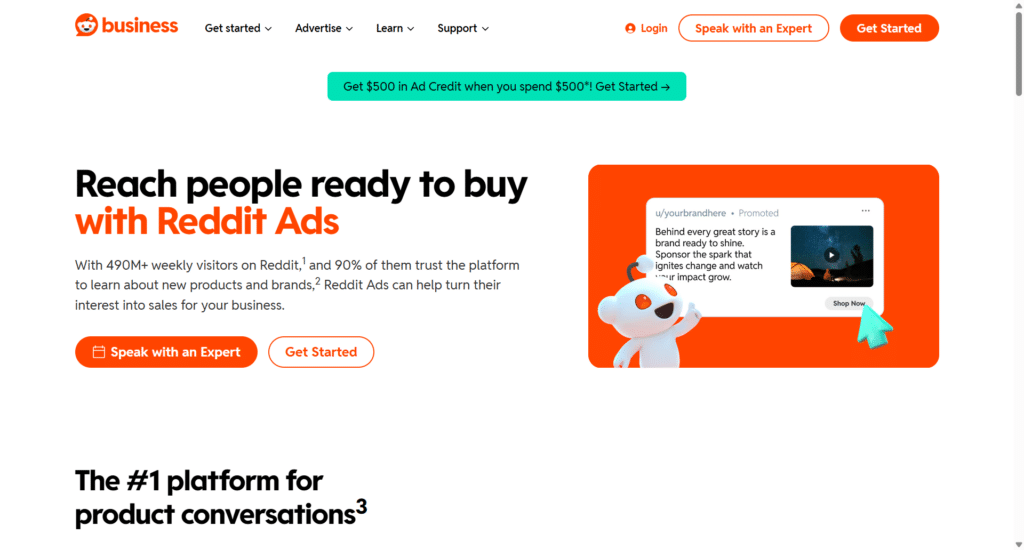
Reddit is often called “the front page of the internet,” but for advertisers, it’s something even more valuable—a collection of highly engaged communities built around specific interests.
Unlike most social media platforms, Reddit is organized into thousands of communities known as subreddits, each dedicated to a particular topic.
Whether it’s web hosting, fitness, investing, photography, gaming, or SaaS, there’s likely a subreddit where your target audience actively shares ideas, asks questions, and recommends products.
This community-first approach makes Reddit Ads very different from Facebook or TikTok.
People on Reddit generally value honest discussions over polished marketing campaigns. As a result, advertisers who focus on education, transparency, and value tend to perform much better than those using aggressive sales tactics.
Top Strategy to maximize Reddit Ads:
8. Quora Ads
Best for:
Products and services with a research-heavy buying process, including software, financial services, and education.
When people have questions, they often turn to Google. Increasingly, many of those searches lead them to Quora.
Quora is a question-and-answer platform where users ask about everything from software recommendations and business strategies to healthcare, finance, education, and technology.
Unlike social media platforms built around entertainment, Quora attracts people looking for answers, advice, and informed opinions.
That makes Quora Ads an excellent platform for businesses that solve problems or sell products and services that require research before a purchase.
If your customers typically compare options, read reviews, or educate themselves before making a decision, Quora Ads deserves a place on your shortlist.
Top Strategy to maximize Quora Ads:
9. Taboola
Best for:
Publishers, content-heavy sites, and advertisers running top-of-funnel awareness campaigns at scale across a wide network of news and media sites.
Not every advertising campaign needs to lead with a sales pitch. Sometimes the best way to earn a customer is to educate them first.
That’s where Taboola excels.
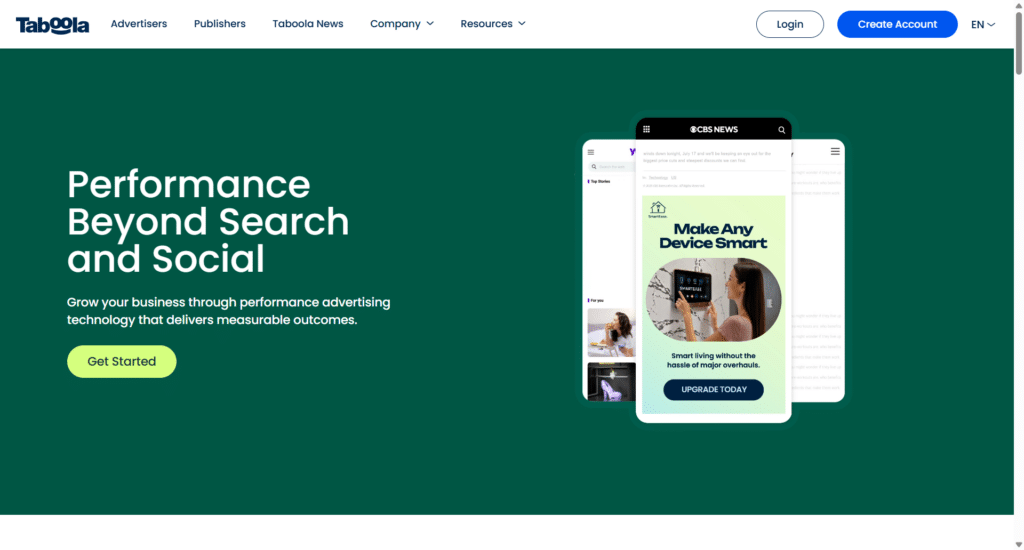
Taboola is one of the world’s largest native advertising platforms, helping businesses promote articles, blog posts, videos, and other content across thousands of premium publisher websites.
Instead of displaying traditional banner ads, Taboola places sponsored content recommendations that blend naturally with a site’s editorial content.
You’ve probably seen them before under headings like:
When done well, these recommendations don’t feel like advertisements. They feel like the next article a reader wants to explore.
This makes Taboola especially valuable for businesses that use content marketing to attract and educate potential customers.
Top Strategy to maximize Taboola Ads:
10. Bidvertiser
Best for:
Small advertisers and affiliate marketers working with limited budgets who want a lower-cost entry point than the major platforms.
Bidvertiser may not receive as much attention as Google Ads or Microsoft Advertising, but it has remained a reliable pay-per-click (PPC) advertising platform for businesses looking to diversify their traffic sources.
Founded in 2003, Bidvertiser connects advertisers with publishers through a network of websites, mobile apps, and search partners. It supports both search and display advertising, giving businesses another option for reaching potential customers outside the major ad networks.
For marketers who have already scaled campaigns on Google or Facebook, Bidvertiser can provide additional traffic opportunities while reducing reliance on a single advertising platform.
Top Strategy to maximize Bidvertiser Ads:
Other Platforms Worth Knowing
A few additional platforms round out the paid media landscape depending on your niche:
Comparison Table: Paid Advertising Platforms at a Glance
| Platform | Best For | Typical Starting Budget | Primary Pricing Model |
|---|---|---|---|
| Google Ads | High-intent search traffic, ecommerce, local services | $300–$1,000/mo | CPC |
| Bing Ads | B2B, older demographics, lower-cost search | $200–$500/mo | CPC |
| Facebook Ads | Ecommerce, local business, interest-based targeting | $500–$1,500/mo | CPC/CPM |
| TikTok Ads | Younger consumers, video-native products | $20/day and up | CPM/CPC |
| Pinterest Ads | Home, fashion, food, planning-stage purchases | $300–$500/mo | CPC |
| LinkedIn Ads | B2B, high-ticket professional services | $1,000–$2,000/mo | CPC |
| Reddit Ads | Niche communities, tech, gaming | $200–$400/mo | CPC/CPM |
| Quora Ads | Research-heavy purchases, software, finance | $200–$500/mo | CPC |
| Taboola | Top-of-funnel content, publisher-scale awareness | $1,000/mo | CPC |
| Bidvertiser | Small budgets, affiliate testing | Under $100/mo | CPC |
Key Metrics to Track Across Any Platform
Regardless of which network you choose, a handful of metrics tell you whether a campaign is actually working:
Tracking these numbers requires a working pixel or conversion tracking setup on your site before you launch, not after.
Every platform on this list, from Google to TikTok to LinkedIn, provides a tracking pixel or conversion API, and installing it before your first campaign goes live is one of the highest-leverage steps in the entire process. It is the only way to know which platform, ad, and audience is actually driving revenue rather than just clicks.
Common Paid Advertising Mistakes to Avoid
A few mistakes show up repeatedly across almost every platform on this list, regardless of budget size:
Building a Multi-Platform Strategy
Very few businesses succeed by relying on a single ad platform forever.
A common approach is to pair a high-intent search platform, such as Google Ads, with a lower-funnel awareness platform, such as Facebook or TikTok, so you capture existing demand while also building new demand.
Start with one platform that matches your audience most directly, get it profitable, and only then layer in a second channel.
Spreading a small budget across five platforms at once usually produces weak data everywhere instead of strong data anywhere. Depth before breadth tends to win with paid media, especially when you are working with a limited monthly ad spend.
A simple starting allocation for a business with, say, $1,000 a month to test: put 60 to 70 percent behind the single platform that best matches your core audience and buying intent, and use the remaining 30 to 40 percent to test a second platform at a smaller scale.
Once the second platform proves itself with a handful of conversions at a reasonable CPA, shift more budget toward it and keep testing a third.
This slow, sequential approach protects you from burning a full month’s budget on a platform that turns out to be a poor fit, while still leaving room to discover which channel actually works best for your specific offer.
FAQs
Final Thoughts
The best paid advertising platform is not the one with the biggest user base. It is the one that matches your buyer’s behavior, fits your budget, and lines up with the type of creative you can realistically produce.
A local service business chasing high-intent searchers has almost nothing in common with a consumer brand trying to go viral with short-form video, even though both might call what they are doing “running ads.”
Start with the platform that most directly matches your audience, give it enough budget and time to gather real data, and expand from there once you understand what is actually working.